16 Hrs
المصدر:
الاقتصادية
الاقتصادية
جاهز للتشغيل
جاهز للتشغيل
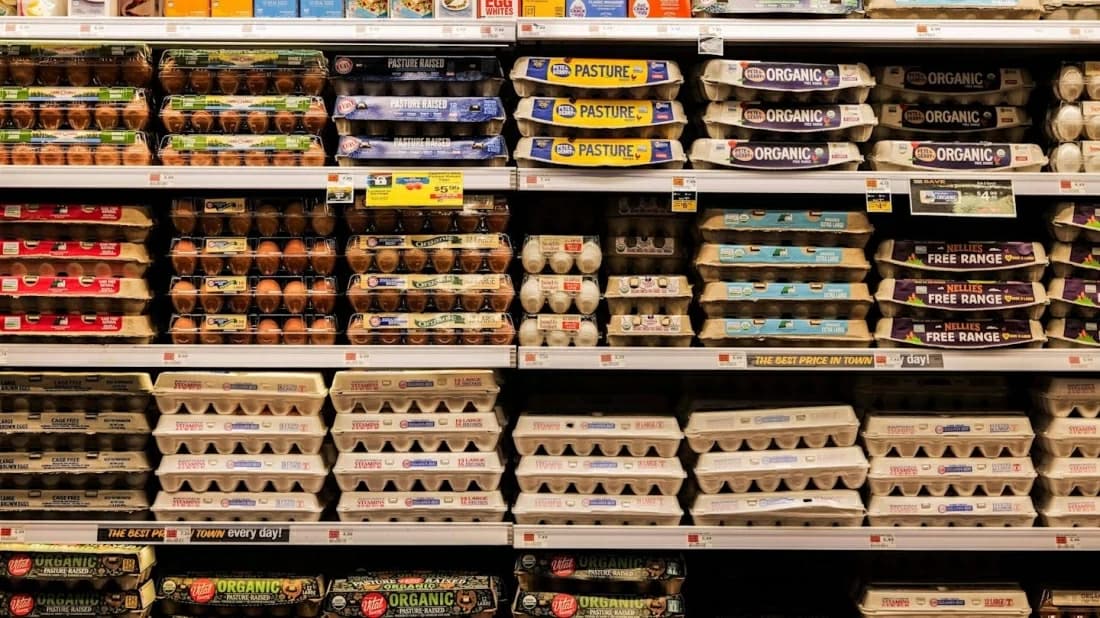
The article discusses the end of the era of cheap food and its impact on the economy and farmers amid climate challenges, including extreme weather events and rising production costs. It points out that food still accounts for about 10% of household spending in Britain, but increasing pressures such as wars and rising prices for fertilizers and fuel could lead to permanently higher food prices, posing a threat of actual inflation and broad effects on markets, companies, and economies. Studies also highlight that climate change could add between 0.9 and 3.2 percentage points to global food inflation by 2035, with rising prospects of tangible structural economic impacts, especially as environmental investment interest diminishes. The article indicates that rising food prices could prompt central banks to tighten monetary policies, affecting interest rates and mortgage costs, with widespread repercussions on global markets and the investment sector.
تنويه: هذا ملخص تم إنشاؤه بواسطة الذكاء الاصطناعي





comments.heading