





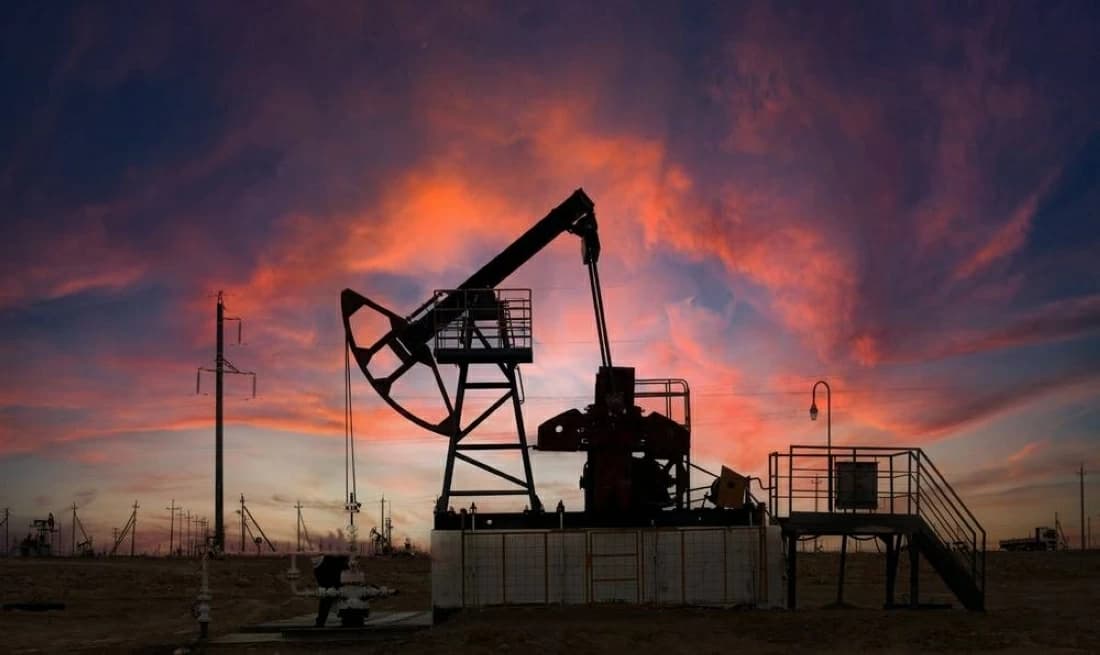


Venezuelan oil amid US-China tensions

The article discusses the oil cooperation agreement between Venezuela and the United States, which places Venezuelan oil at the center of the geopolitical struggle between Washington and Beijing. The deal involves private sector participation in developing 17 oil fields, with investments exceeding $100 billion and potential revenues surpassing $209 billion for Venezuela. The United States maintains control over more than 65 billion barrels of reserves. However, a major challenge is Venezuela's current low production rate, averaging 1.16 million barrels per day—less than half of what it was a decade ago—indicating that the agreement focuses on long-term field rehabilitation rather than immediate large-scale output. The pact is also part of a broader strategy to influence the oil market, threatening to disconnect Chinese refineries from low-cost heavy oil sources and increasing U.S. influence overall. Nonetheless, legal, political risks and difficulties convincing major oil companies of the project's dangers pose significant hurdles, resulting in limited immediate impact on actual production.
تنويه: هذا ملخص تم إنشاؤه بواسطة الذكاء الاصطناعي
comments.heading