







Neural Tech Risks Mind Exposure
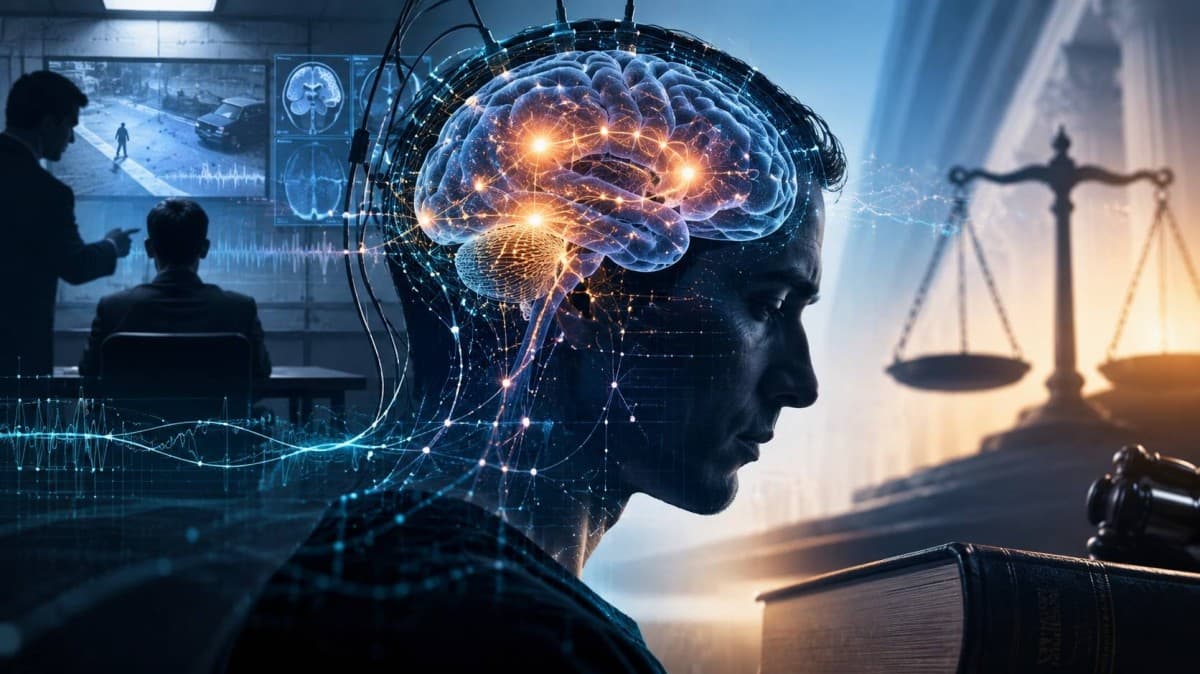
The article focuses on the challenges and risks associated with the use of neural technologies in the field of criminal justice. It highlights that UN Secretary-General António Guterres warned about the significant dangers of these technologies moving from medical applications into investigative and prison settings, including arbitrary detention, privacy violations, and potential misuse. The report emphasizes the need to regulate their use in accordance with international law, considering brain data as sensitive information that requires explicit consent. Although current technologies are still in development, their application in psychological analysis raises legal and ethical issues, particularly concerning the right to silence and the possibility of accessing thoughts without permission. On the legislative level, some countries like Chile and certain U.S. states have taken steps to provide broader protection for neural data. Meanwhile, UNESCO has issued an international ethical framework banning the manipulation of brain data in unethical contexts, while recognizing the potential benefits for patients with neurological disorders. The report underscores the necessity of implementing strict regulations to prevent illegal exploitation of these technologies.
تنويه: هذا ملخص تم إنشاؤه بواسطة الذكاء الاصطناعي
comments.heading