21 Hrs
المصدر:
الاقتصادية
الاقتصادية
جاهز للتشغيل
جاهز للتشغيل
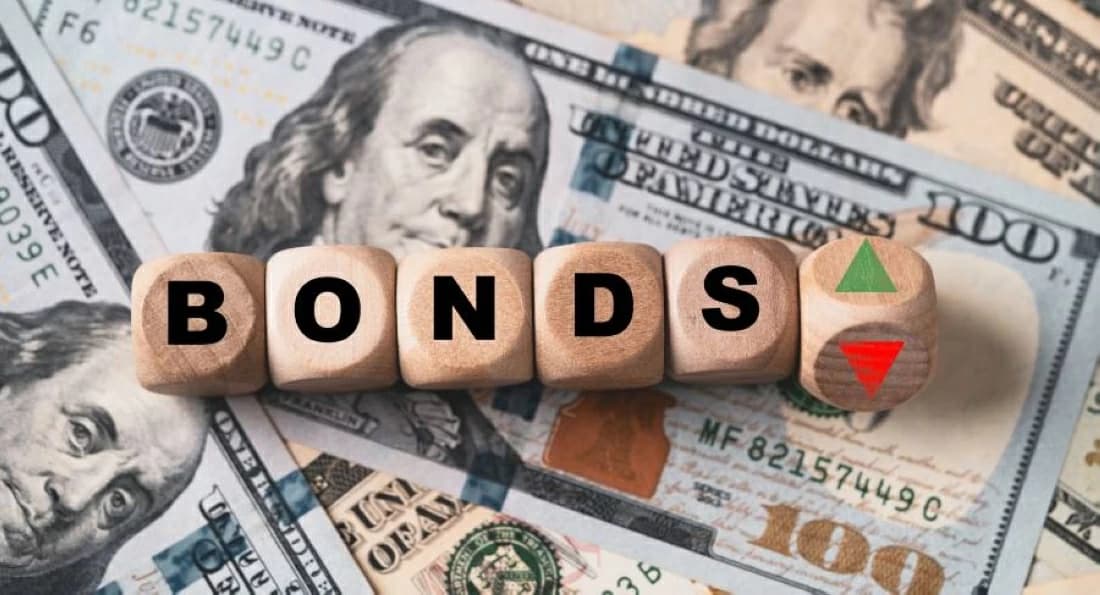
The rise in yields of U.S., German, and Japanese bonds to levels not seen in decades has prompted a reassessment of the traditional 60/40 investment strategy in the United States, which relies on allocating 60% to stocks and 40% to bonds. This approach had lost some of its appeal following the decline in bond yields prior to the 2008 global financial crisis. However, with yields surpassing 5% on parts of the U.S. Treasury yield curve, bonds are becoming more attractive again, offering higher income and helping to reduce overall risk, even as experts anticipate yields may be nearing their peak. Reports indicate that rising yields strengthen the case for increasing investments in fixed-income assets, especially as the correlation between stocks and bonds—once countercyclical—is now becoming more synchronized. This heightened correlation diminishes bonds' ability to offset stock downturns during market declines. Moreover, the 60/40 strategy is expanding its investment scope to include a broader range of assets such as securitized securities, municipal bonds, and high-yield bonds, with the aim of managing risks and capturing tangible returns.
تنويه: هذا ملخص تم إنشاؤه بواسطة الذكاء الاصطناعي






comments.heading