19 Hrs
المصدر:
البيان
البيان
جاهز للتشغيل
جاهز للتشغيل
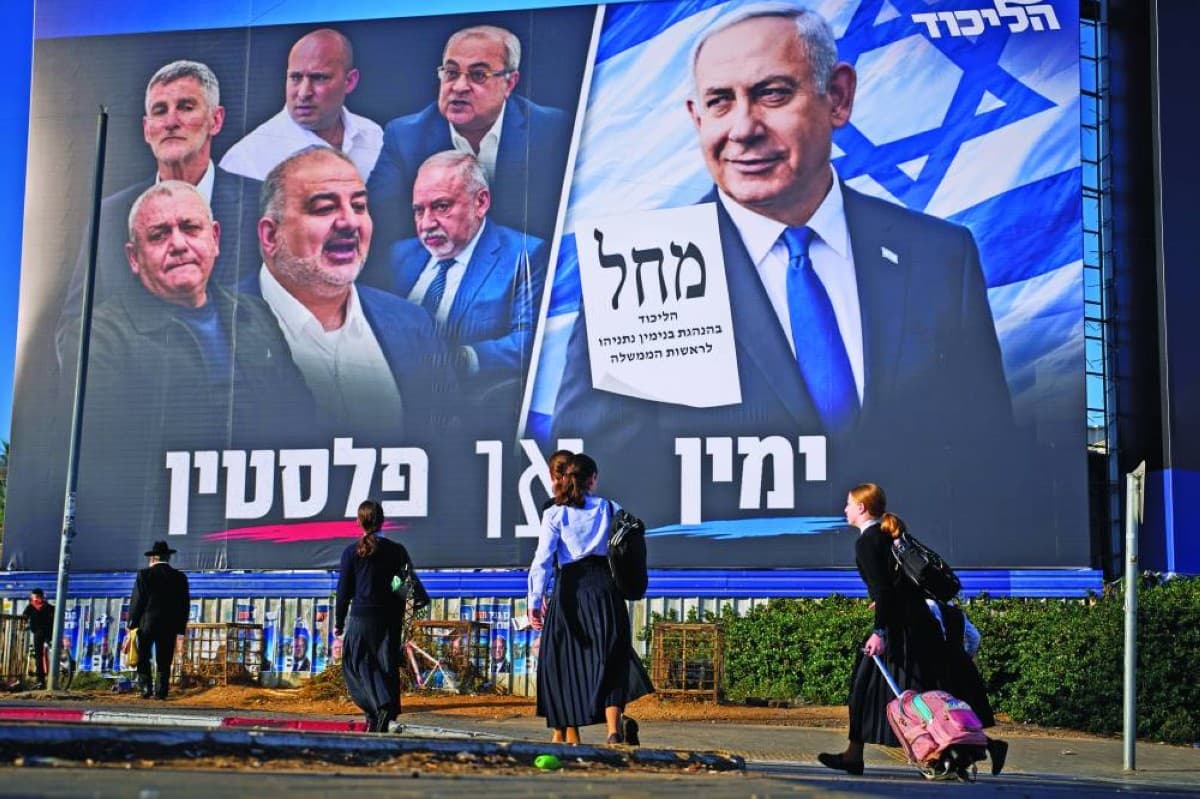
Eight days before the upcoming Israeli legislative elections on October 27, polls show a close contest between Prime Minister Benjamin Netanyahu's camp and the non-Arab opposition. The combined potential seats of opposition parties and Arab parties surpass the outright majority in the Knesset, which is 61 out of 120 seats. Forecasts suggest that Netanyahu’s camp is averaging around 51 seats, while the non-Arab opposition holds approximately 51.25 seats, and Arab parties secure about 13.75 seats. However, forming a coalition government depends on the agreements between parties, especially since most leaders oppose collaborating with Arab parties or require certain conditions from the opposition—such as fighting crime, stopping house demolitions, and supporting the creation of a Palestinian state. Pressure is increasing on parties to form a unity government if the results remain inconclusive, as Arab voters are participating more and gaining influence in the election. Amid these developments, some parties have tried to deploy activists at polling stations to monitor or intimidate voters. The Supreme Court previously annulled a decision to exclude certain Arab parties from the race. The options remaining are either forming a unity government or heading back to new elections.
تنويه: هذا ملخص تم إنشاؤه بواسطة الذكاء الاصطناعي





comments.heading