


Reconsideration of Imprisonment Clause in Media Law
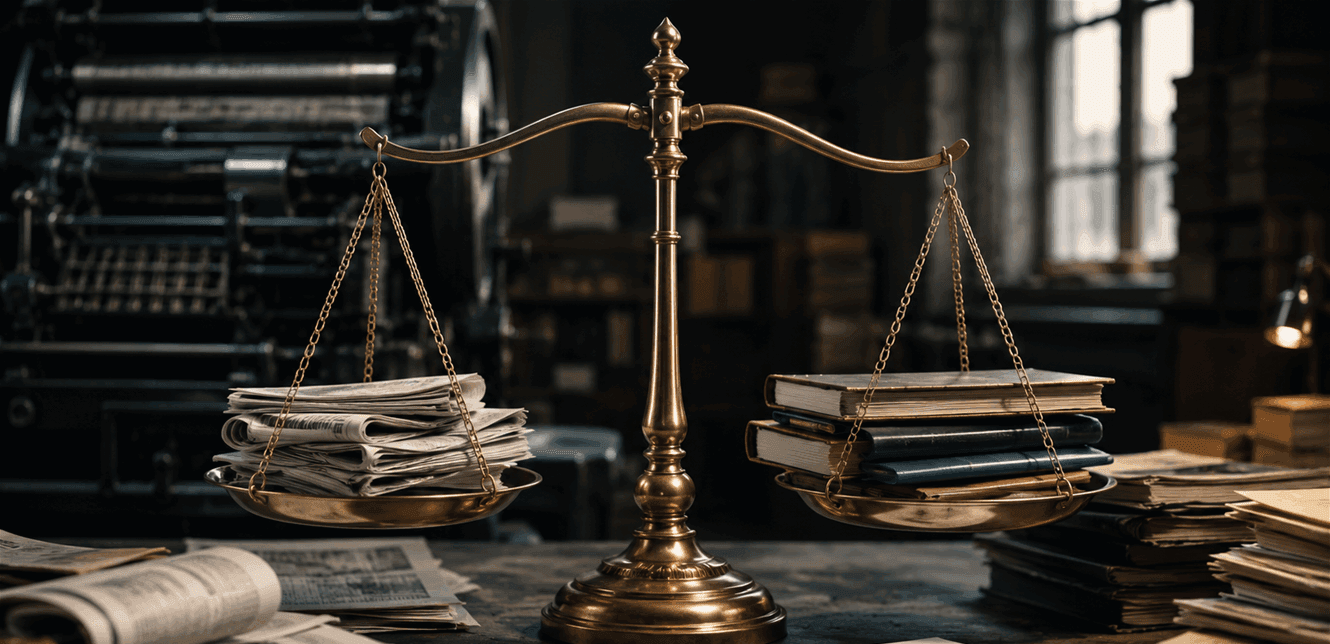
After more than sixteen years of discussions among parliamentary committees, media organizations, and human rights groups, Lebanon's media law project is approaching its final vote in the plenary session of the Parliament. The law aims to update and reform the existing media legislation, transferring most publishing issues from criminal procedures to civil liability, thereby preventing journalists or anyone exercising their right to expression from being prosecuted or detained in custody solely due to published content. However, the text contains an exception that reinstates criminal penalties in Article 104, which criminalizes the dissemination of misleading information and false news. This raises concerns about the potential return of imprisonment for misleading or false content, especially since the definitions remain vague and open to broad judicial interpretation. The draft law emphasizes protections for sources, transparency in media ownership and funding, and a more independent regulation of the sector. Still, experts warn that provisions allowing exceptions to criminal penalties could reopen the possibility of criminal prosecution against journalists. This has sparked a debate about how clear and strict the final text will be and about finding the right balance between media freedom and accountability.
تنويه: هذا ملخص تم إنشاؤه بواسطة الذكاء الاصطناعي
comments.heading