


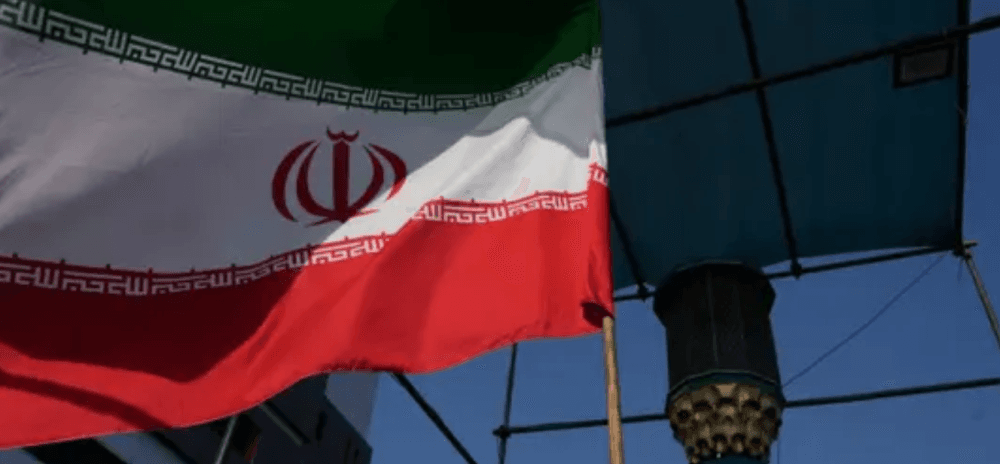
Iran revisits its war generation
%2Ffile%2Fattachments%2F2391%2F6546-1786380493_222474.jpeg&w=3840&q=75)
The Middle East, particularly Iran, is witnessing a broad restructuring of the leadership within the military and the Revolutionary Guard following the end of the Iran-Iraq War. The aim is to enhance offensive capabilities and prepare for a possible confrontation with the United States, with a focus on increasing the influence of the Revolutionary Guard at the expense of the regular army. Experienced leaders have been appointed to key positions, including Mohsen Rezaee, who has returned to serve as Secretary of the Supreme National Security Council. He is part of the wartime generation and has a long record of military and political experience dating back to the Iran-Iraq War. These changes indicate Iran's move towards developing a more offensive military system, ready to respond to external threats, with an emphasis on increasing missile and drone production and strengthening internal security measures. Additionally, Hossein Taib has been appointed to lead the Basij, aiming to reinforce internal control and suppress protests. There are warnings that these developments reflect Tehran’s desire to confront challenges and achieve maximum deterrence against its enemies.
تنويه: هذا ملخص تم إنشاؤه بواسطة الذكاء الاصطناعي
comments.heading