24 Hrs
المصدر:
الكتائب اللبنانية
الكتائب اللبنانية
جاهز للتشغيل
جاهز للتشغيل
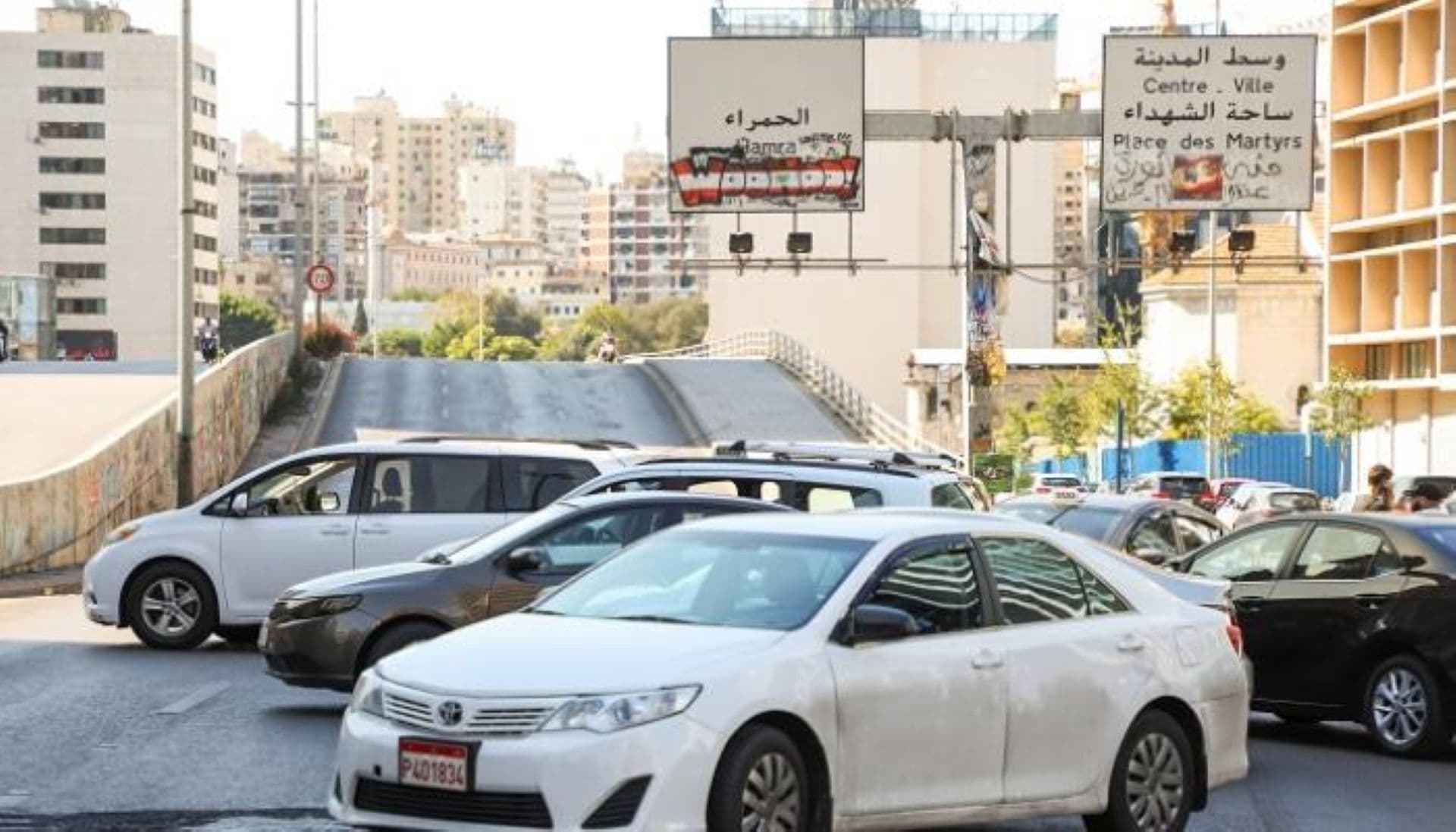
The article addresses the crisis of rising fuel prices and their direct impact on transportation fares ("service") in Lebanon, where gasoline and diesel prices have exceeded $30 per bottle. This has led drivers to demand fare increases to cope with the escalating costs. Despite previous agreements with the government to support drivers with a monthly subsidy to ease the burden of price hikes, these were not implemented, prompting drivers to push for further increases that are already being applied practically on the ground. The issue goes beyond simply setting a specific number; it is linked to fluctuations in global oil prices and changing transportation-related costs. This highlights the need for a comprehensive transportation policy that balances the interests of drivers and passengers, protecting both from sudden cost increases. Such a policy should include regular review of fares and targeted support for affected groups, especially in regions with difficult terrain. The article also explains that rising fuel prices directly influence the cost of transporting goods, which in turn impacts the prices of goods and services across the broader economy. Ultimately, it emphasizes that a practical solution is to directly raise fares to meet these challenges, along with the necessity of establishing a permanent cost management system to address ongoing fluctuations resulting from global and local oil price volatility.
تنويه: هذا ملخص تم إنشاؤه بواسطة الذكاء الاصطناعي


comments.heading