

%2Ffile%2Fattachments%2F2400%2F293752.jpg&w=3840&q=75)


Lebanese agriculture shifting from wheat to olives
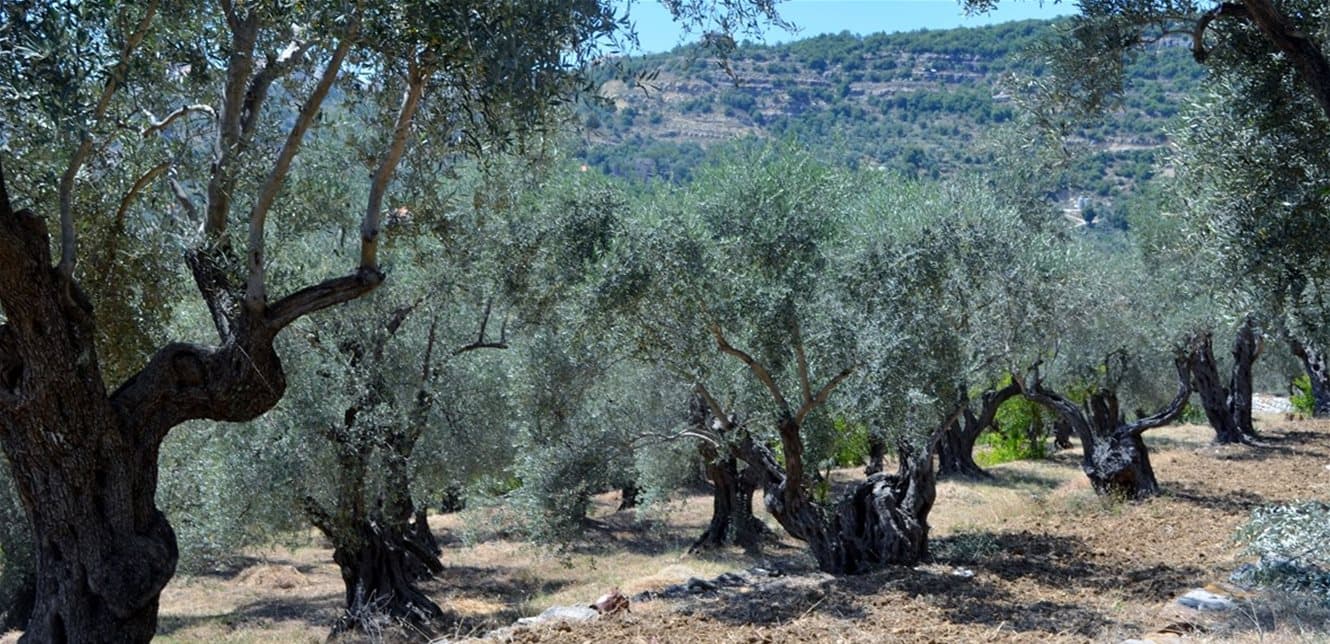
Agriculture in Lebanon faces serious risks that threaten its sustainability, especially with declining production due to climate change, water shortages, rising input costs, and damages to lands and infrastructure. Although cereal production improved in 2026 following a poor season in 2025, Lebanon remains heavily dependent on imports, with around 680,000 tons of wheat needed in the 2025 season. Similarly, olive farming faces comparable challenges such as increasing labor and energy costs and the impact of climate changes on tree growth. The crisis calls for sustainable government support to revitalize the agricultural sector, particularly in light of war and conflict damages estimated at $704 million in losses. Agricultural authorities have emphasized the necessity of implementing long-term support programs that include infrastructure rehabilitation, improved access to water, and rebuilding livestock herds to ensure farmers' stability and food security in Lebanon.
تنويه: هذا ملخص تم إنشاؤه بواسطة الذكاء الاصطناعي
comments.heading