6 Hrs_1777370155750_318096895.jpg&w=48&q=75)
المصدر:
تكنولوجيا الشرق
تكنولوجيا الشرق
جاهز للتشغيل
جاهز للتشغيل
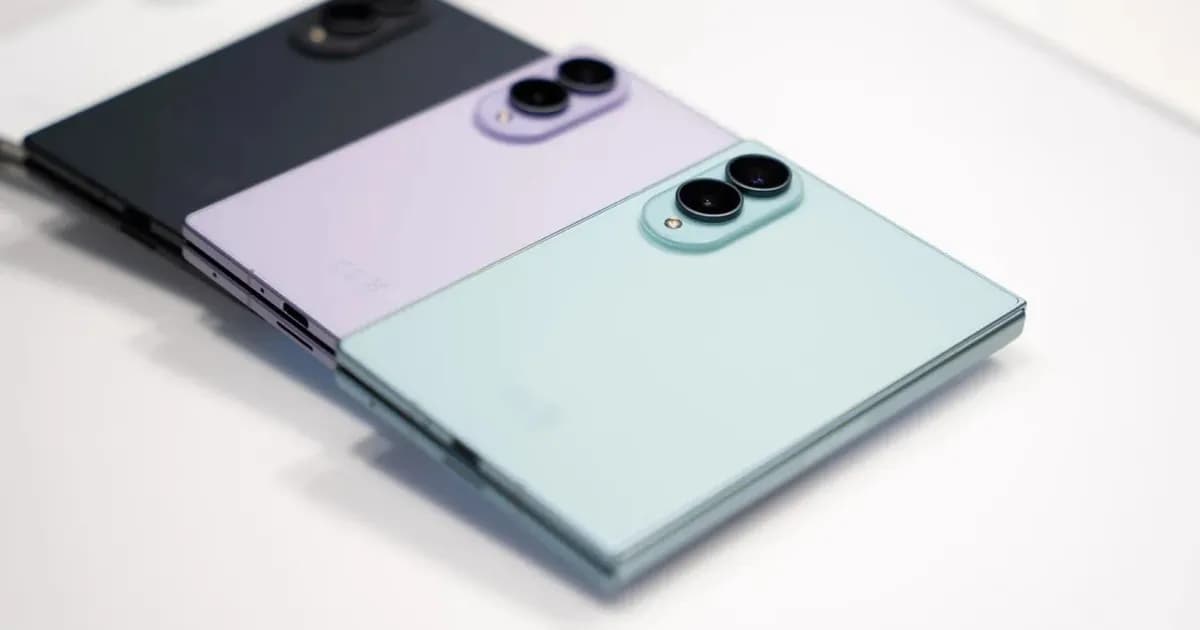
Silicon-Carbon batteries are beginning to appear in smartphones, offering significantly higher capacities than traditional lithium-ion batteries, with the ability to power a phone for up to two days on a single charge. These batteries rely on a chemical reaction known as "alloy formation," which allows for storing larger amounts of lithium inside the anode. This increases volumetric energy density and reduces the battery's thickness. However, these batteries face challenges related to their lifespan, as the substantial expansion of their components during charging—particularly silicon, which can expand up to 400%—leads to faster deterioration compared to graphite batteries. Companies are balancing between increasing capacity and extending battery life, with ongoing development of techniques to improve stability. It appears that Samsung is adopting this technology in its foldable phones, with projections that the battery life may decrease to around 1,200 charge cycles compared to 2,000 cycles for the previous generation. Silicon-Carbon battery technology represents a promising advancement for higher energy density and faster charging, but it requires further development to ensure a practical operational lifespan. If perfected, it could significantly alter how we use our phones.
تنويه: هذا ملخص تم إنشاؤه بواسطة الذكاء الاصطناعي


_1777370074079_638186083.jpg&w=48&q=75)






comments.heading