5 Hrs
المصدر:
تونزي تيليغراف
تونزي تيليغراف
جاهز للتشغيل
جاهز للتشغيل
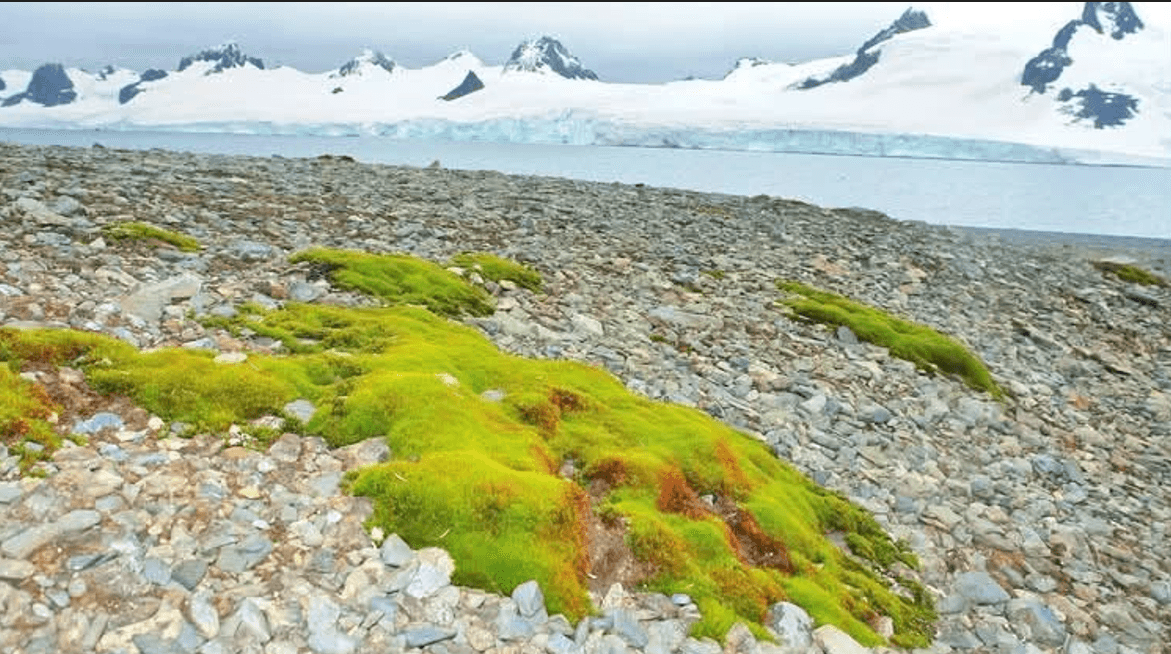
A scientific study indicates a significant increase in vegetation in parts of the Antarctic Peninsula in Antarctica, where the green areas expanded from about 0.86 square kilometers in 1986 to approximately 11.95 square kilometers in 2021. This growth is attributed to changing climatic conditions, especially rising temperatures and the retreat of glaciers, which allow plants, particularly mosses, to establish themselves and grow more extensively. However, experts warn that the increase in green does not necessarily signify a healthy ecosystem; rather, it raises questions about the causes of these changes and their potential impact on ecological balance, with the possibility of invasive species entering due to increased human activity. While climate change remains a key driver of the ongoing expansion of green areas, it also prompts important questions about the ability of local systems to adapt and maintain biodiversity balance in the future.
تنويه: هذا ملخص تم إنشاؤه بواسطة الذكاء الاصطناعي




comments.heading