5 Hrs
المصدر:
تونزي تيليغراف
تونزي تيليغراف
جاهز للتشغيل
جاهز للتشغيل
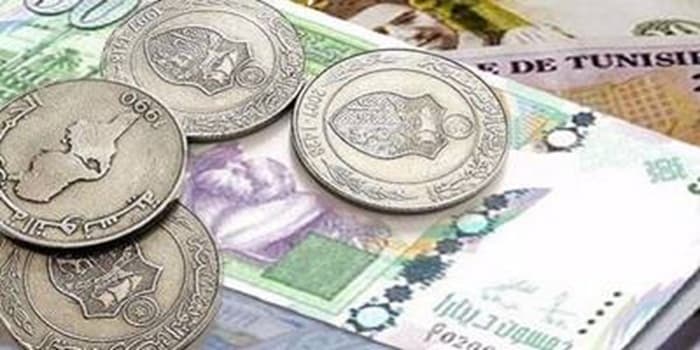
The article discusses the role of monetary policy implemented by the Central Bank of Tunisia and its impact on the national economy, especially amidst inflationary challenges. Economic expert Rida Chekndali explains that the bank's tools, such as interest rate hikes, are not aligned with the structural characteristics of the Tunisian economy, where issues related to production and investment differ from those addressed by traditional policies. He also points out that government funding through mechanisms like direct financing of 25 billion dinars without interest and over a three-year period contradicts efforts to curb inflation and exacerbates the discrepancy between monetary and fiscal policies. Furthermore, he warns that a decline in the dinar’s value could negatively affect local production. Changing the governor of the bank or amending the fundamental law governing its work does not address the core problem unless the legal framework regulating its relationship with the government and economic policy is reviewed, especially as a result of funding pressures and an imbalance in the economy. Ultimately, he emphasizes that the ongoing contradiction between monetary policy tools and production needs could deepen growth crises and diminish purchasing power. He calls for a review of laws and the adoption of more cohesive policies to ensure a balance between monetary stability and economic development in Tunisia.
تنويه: هذا ملخص تم إنشاؤه بواسطة الذكاء الاصطناعي








comments.heading