14 Hrs
المصدر:
Sky News
Sky News
جاهز للتشغيل
جاهز للتشغيل
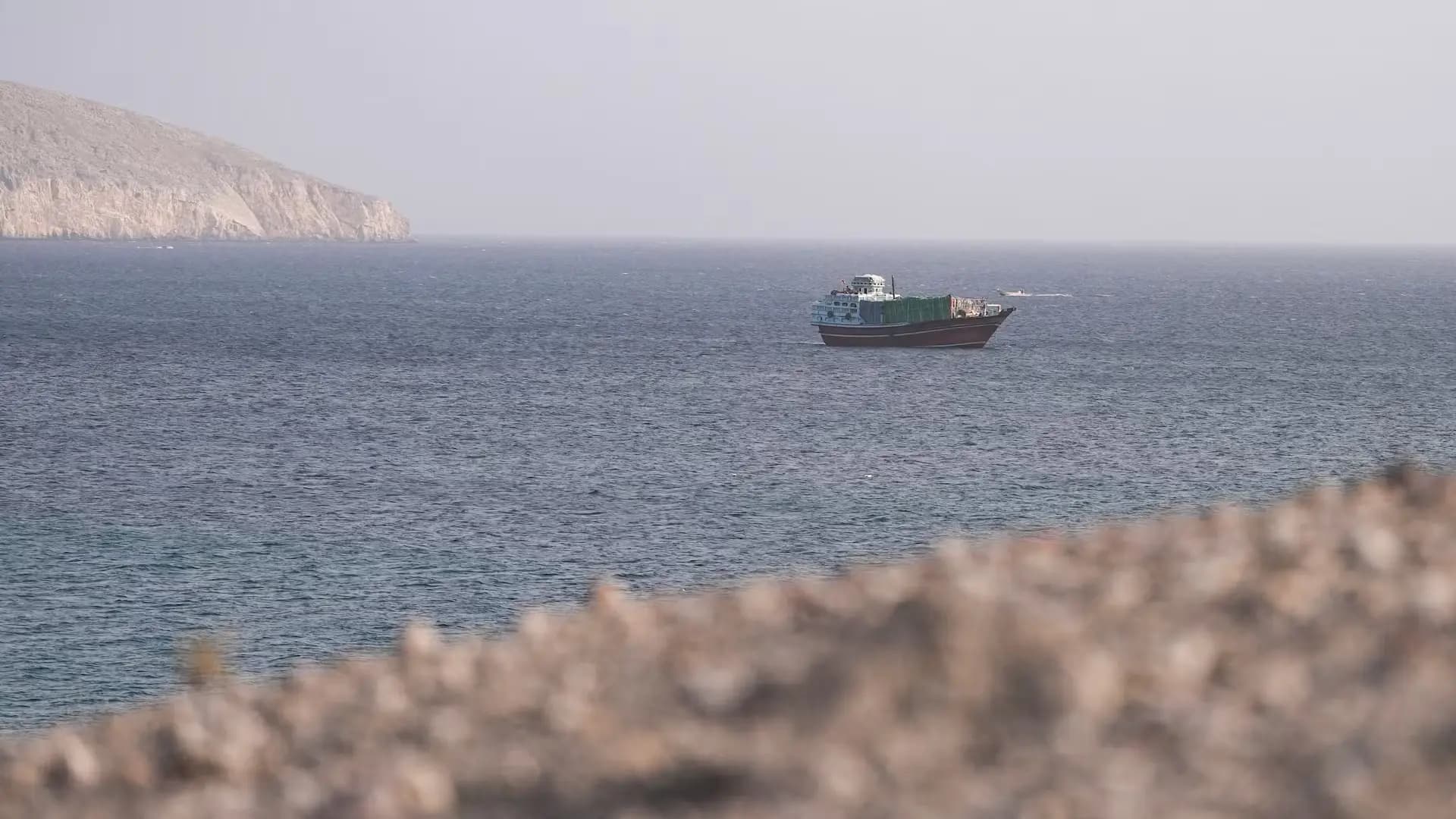
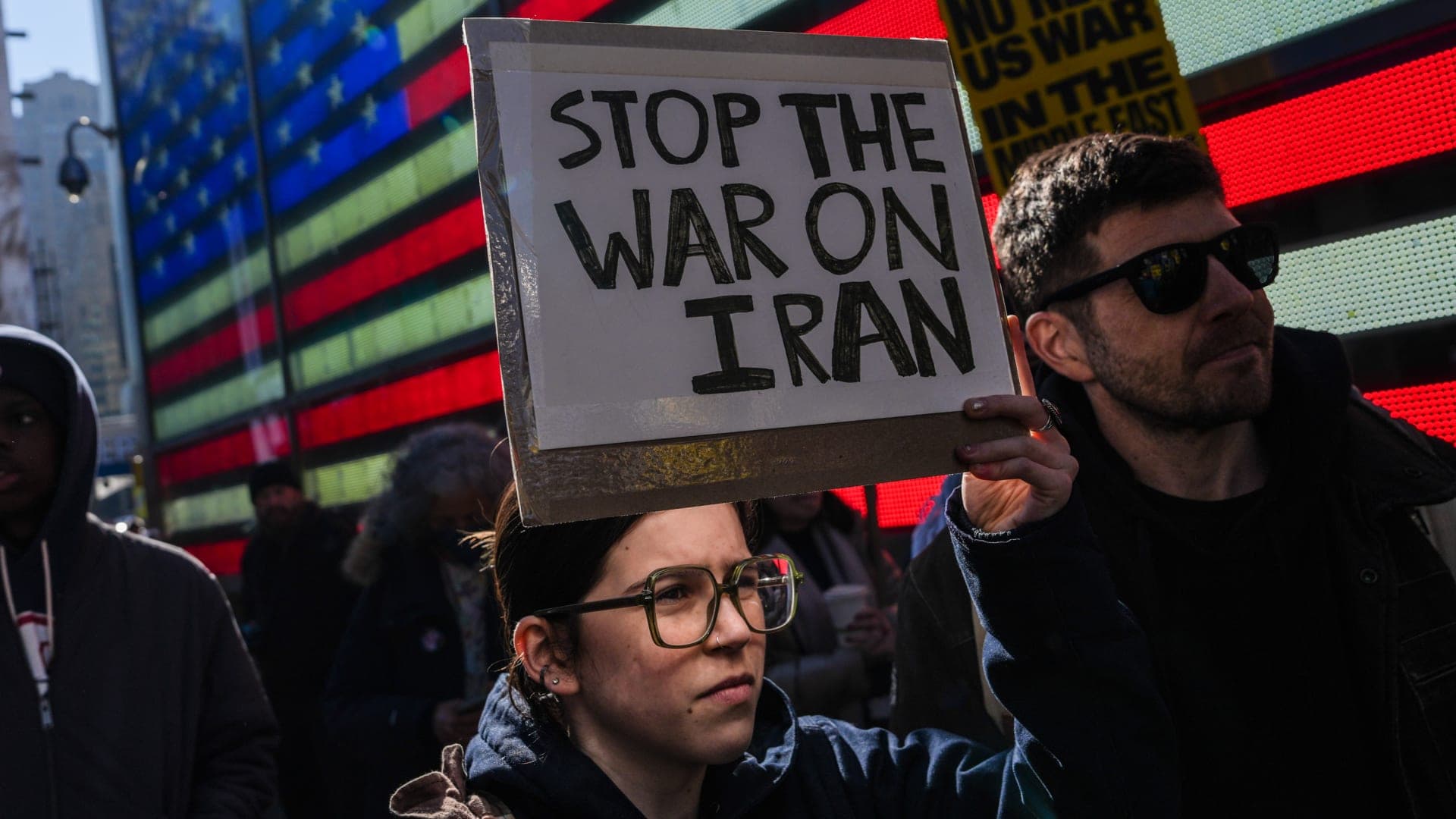
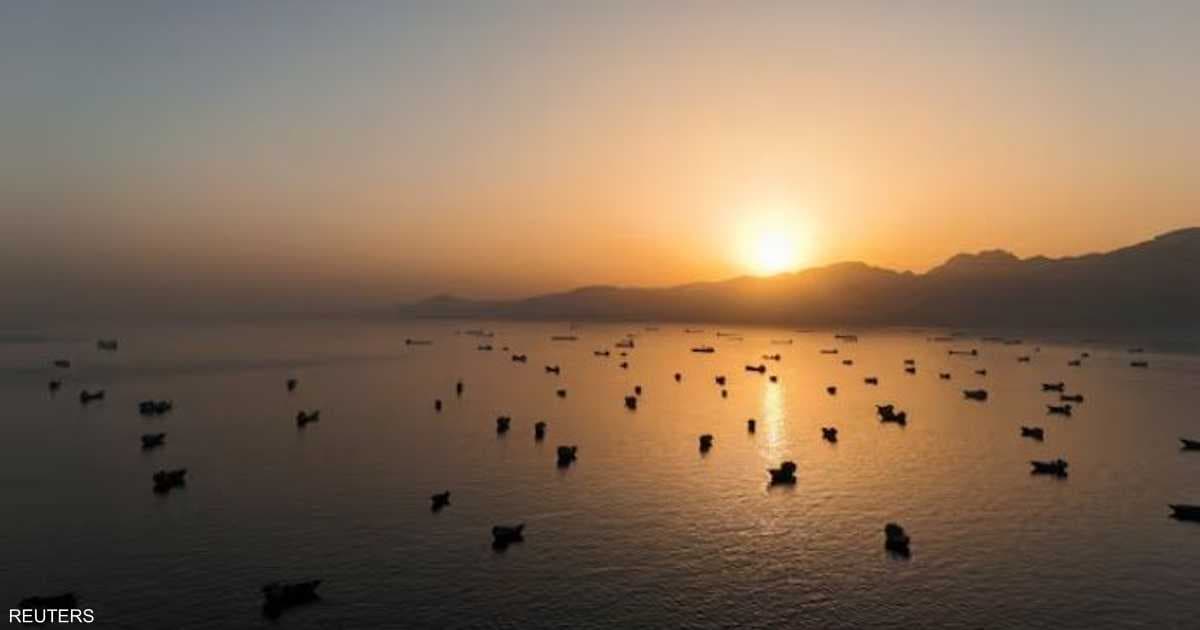
The war between the United States and Israel on one side and Iran on the other, which began in February 2026, has led to a significant shift in the economic landscape of the Gulf region. The escalation resulted in major disruptions to energy markets and infrastructure. Shipping traffic through the Strait of Hormuz decreased by nearly 90%, and damages worth approximately $58 billion were inflicted on energy facilities, causing oil prices to surge to $118 per barrel before dropping back to around $100. The impact of the escalation on the economies of Gulf countries has been varied; for example, the UAE enjoys high financial resilience due to its massive reserves, while Kuwait faces a $32 billion deficit, and Qatar is experiencing revenue challenges amid export disruptions. The International Monetary Fund projects the region’s economy will contract by 0.5% this year, with some countries, particularly Qatar and Saudi Arabia, expected to see slower growth. However, factors such as government spending and sovereign assets may aid in recovery. The crisis has highlighted the importance of economic diversification and the dangers of relying on a single route for exporting oil and gas. Gulf countries are preparing to adopt strategies to strengthen their resilience and logistical independence to better withstand such shocks in the future.
تنويه: هذا ملخص تم إنشاؤه بواسطة الذكاء الاصطناعي





comments.heading