



World Bank warns of global downturn
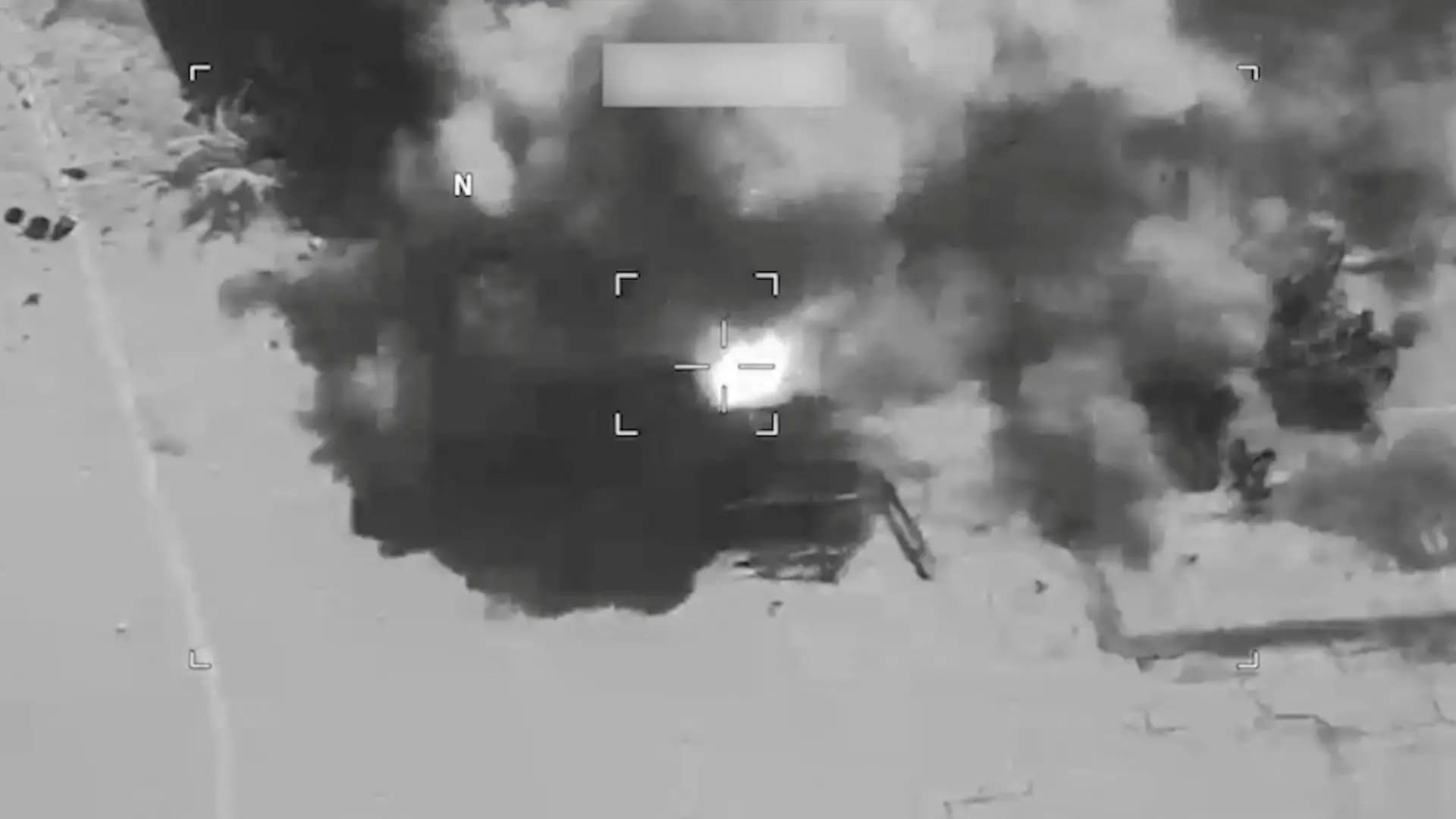
Senior Economist at the World Bank, Indermit Gill, warned that the ongoing escalation of hostilities between the United States and Iran could lead to a new wave of inflation, rising interest rates, and a reduction in global economic growth to around 1.3 percent this year, compared to 2.9 percent in the previous year. He explained that a scenario in which the fighting continues for more than six months could result in a global inflation rate of 4.5 percent, alongside a worsening of the food security crisis, damage to oil infrastructure, disruptions in the supply of fertilizers and agricultural materials, and increased pressure on interest rates. These warnings come amid an escalation of military activity in the region, including targeting American and Iranian facilities, ongoing shipping disruptions in the Strait of Hormuz, and a naval blockade imposed by the Houthis on Saudi shipments. Developing countries are facing heightened risks to food security and rising borrowing costs, threatening to slow economic growth and burden some nations with debt exceeding 67 percent of their GDP. There are also warnings that certain countries will need debt relief despite efforts to reform debt mechanisms within the G20. Gill stated that rising benchmark interest rates could threaten heavily indebted economies within a few months, as financial aid requests increase from countries lacking liquidity—potentially leading to economic collapses if the escalation continues.
تنويه: هذا ملخص تم إنشاؤه بواسطة الذكاء الاصطناعي
comments.heading