2 Hrs
المصدر:
الشرق الأوسط
الشرق الأوسط
جاهز للتشغيل
جاهز للتشغيل
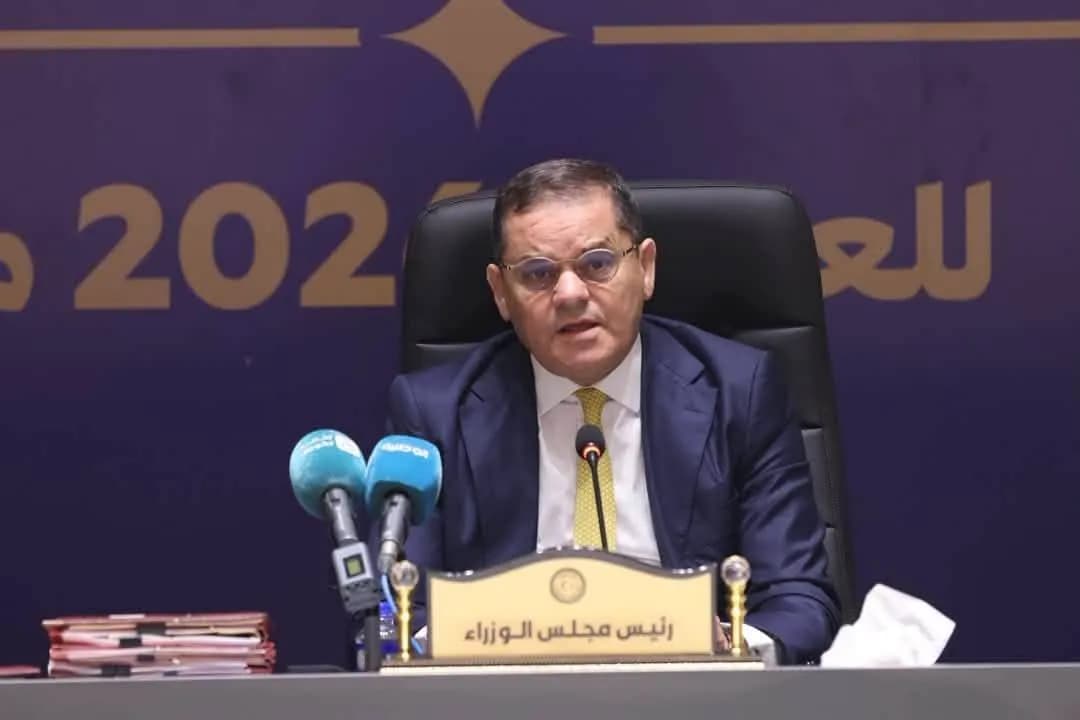
The article focused on the stance of Libyan Prime Minister Abdul Hamid Dbeibeh of the "Unity" Government regarding the proposed U.S. initiative to resolve the Libyan crisis. The initiative includes unifying institutions and sharing power between the east and west. Dbeibeh presented conditions related to establishing a civil state, conducting transparent elections, ensuring the avoidance of the use of force, and subjecting security agencies to oversight. He adopts a flexible position that may reject the initiative outright or engage with it gradually based on political interests and external pressures. Dbeibeh's rejection is not fully declared, but he exerts pressure through his conditions to preserve his influence and avoid being sidelined. This stance reflects popular anger and internal political tensions, oscillating between a desire to maintain his current position and fears of Khalifa Haftar’s influence and the potential shift in the balance of power. The government remains divided amidst the ongoing Libyan political split, with the possibility that the initiative could progress through its stages if it aligns with Dbeibeh’s interests, especially under regional and international pressures.
تنويه: هذا ملخص تم إنشاؤه بواسطة الذكاء الاصطناعي




comments.heading