6 Hrs
المصدر:
عربية – DW
عربية – DW
جاهز للتشغيل
جاهز للتشغيل
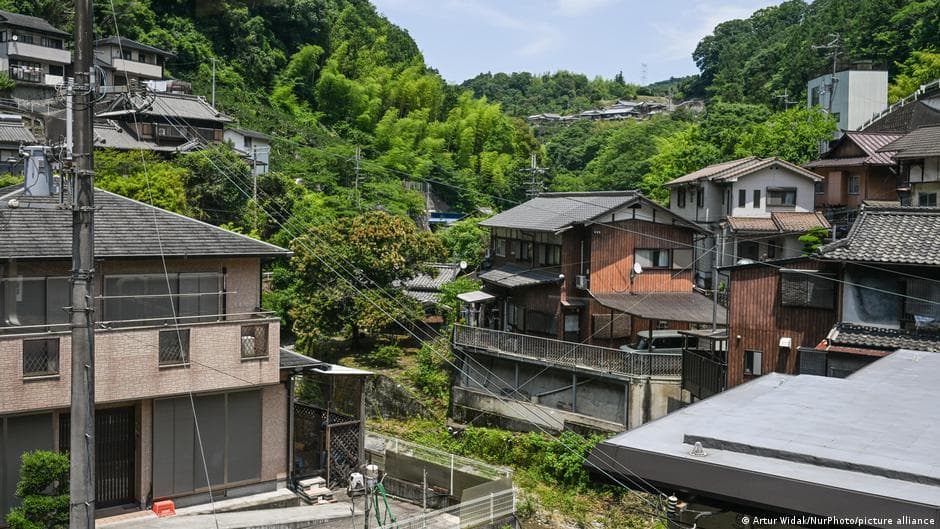
The phenomenon of "stigmatized properties" in Japan relates to the spread of abandoned homes, particularly in rural areas, due to population decline and the increasing number of vacant houses—which has reached about nine million, accounting for roughly 13.8% of all housing units. These houses are classified as "stigmatized properties" because of tragic incidents such as suicides, fires, or deaths occurring in isolation, leading to their exclusion from the real estate market due to popular beliefs that associate death with "uncleanliness" and bad luck. Owners suffer significant financial losses, as rental prices can drop by up to 30%, and these properties often remain vacant for over 500 or even 1,000 days, despite efforts to "purify" them through spiritual investigations and technical ghost-detection methods. Companies like "Kachimode" aim to assist homeowners in managing and selling these homes by conducting spiritual and technical investigations to reassure prospective tenants and dispel negative beliefs. Meanwhile, the main challenge remains the cultural heritage and beliefs that hinder the sale and rental of these properties.
تنويه: هذا ملخص تم إنشاؤه بواسطة الذكاء الاصطناعي




comments.heading