1 Day
المصدر:
الشرق الأوسط
الشرق الأوسط
جاهز للتشغيل
جاهز للتشغيل
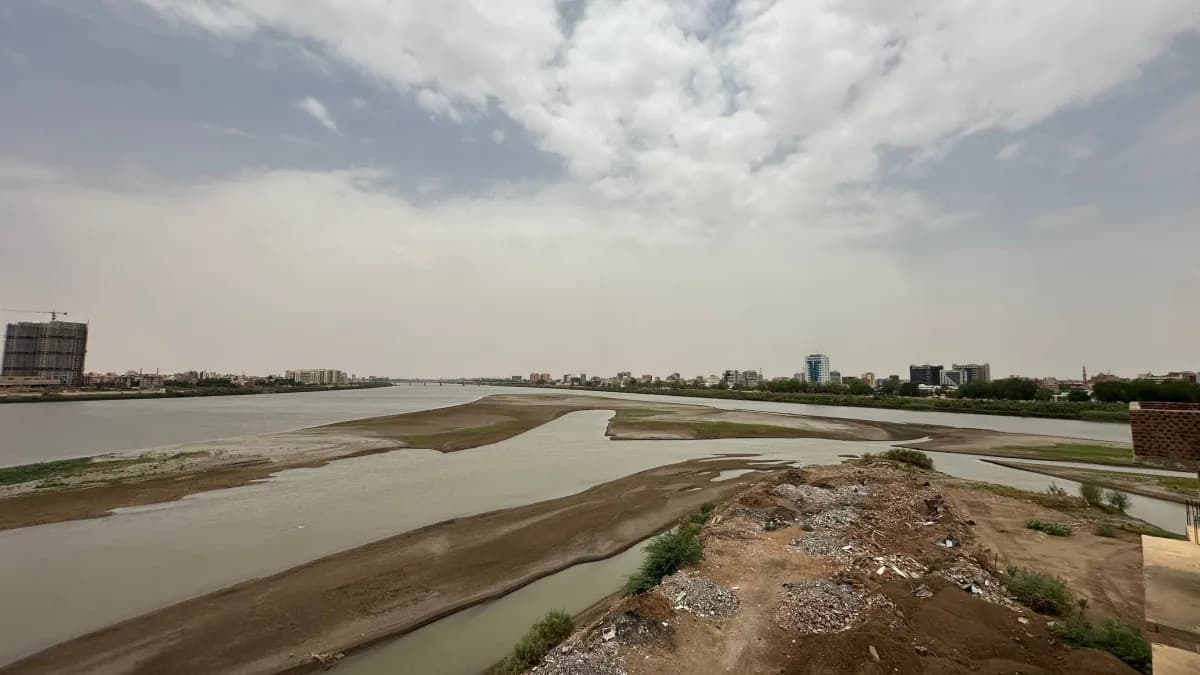
The article discussed the decline in the water levels of the Nile River in Sudan and its impact on water supplies and agriculture. The decrease in flow has led to disruptions in water treatment plants and raised concerns about negative effects on the agricultural season, especially amidst the ongoing war, which has weakened institutions and scattered technical staff. Experts believe that the crisis is not solely related to the Ethiopian Renaissance Dam but also involves the management of national reservoirs, coordination among basin countries, and efficient utilization of water flows. Since the dam’s operation began in July 2026, the pattern of Nile River flows has changed, with large volumes of water accumulating within Ethiopia rather than flowing directly to Sudan. This situation necessitates adjustments in the management of Sudanese reservoirs. Additionally, specialists emphasized the need for a binding legal agreement to regulate dam operations, facilitate data exchange, and prevent sharp fluctuations in water levels. Officials pointed out that poor management of water resources, due to the war and the merging of institutions, is exacerbating the crisis and threatening Sudan’s water and food security.
تنويه: هذا ملخص تم إنشاؤه بواسطة الذكاء الاصطناعي






comments.heading