21 Hrs
المصدر:
الشرق الأوسط
الشرق الأوسط
جاهز للتشغيل
جاهز للتشغيل
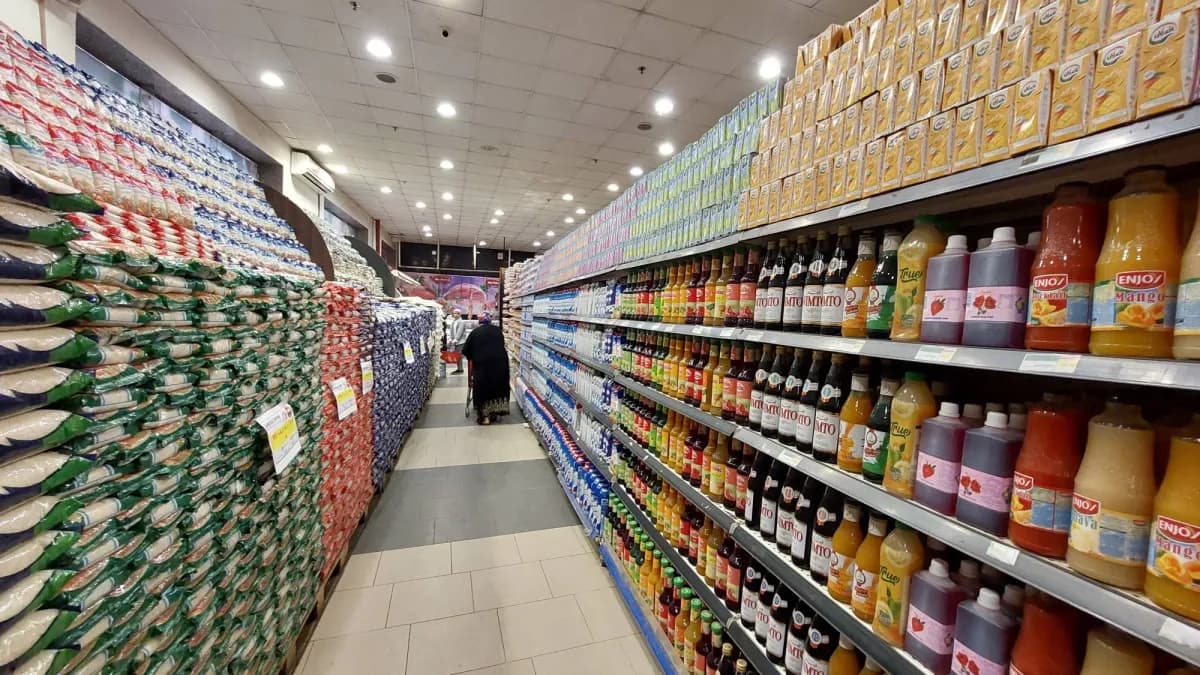
The inflation data announced by Egypt's Central Agency in July confirms that the annual inflation rate in urban areas has risen to 14.9%, up from 14.3% in June. This reflects increasing economic pressures that are affecting households' purchasing power. As a result, consumer behaviors have changed: families have reduced spending on luxury items, turned to buying locally produced, cheaper goods, and relied more on bulk purchasing and seeking economical alternatives. Additionally, households have had to postpone leisure activities, such as trips to the beaches, due to rising costs. Consequently, priority has shifted to spending on essentials like food, health, and education, while savings have been depleted and the ability to afford the cost of living has diminished. Reports indicate that the inflation wave has particularly impacted middle- and lower-income groups, leading to significant changes in consumption patterns and financial decisions as families try to adapt to the ongoing rise in prices.
تنويه: هذا ملخص تم إنشاؤه بواسطة الذكاء الاصطناعي






comments.heading