24 Hrs
المصدر:
عربية – DW
عربية – DW
جاهز للتشغيل
جاهز للتشغيل
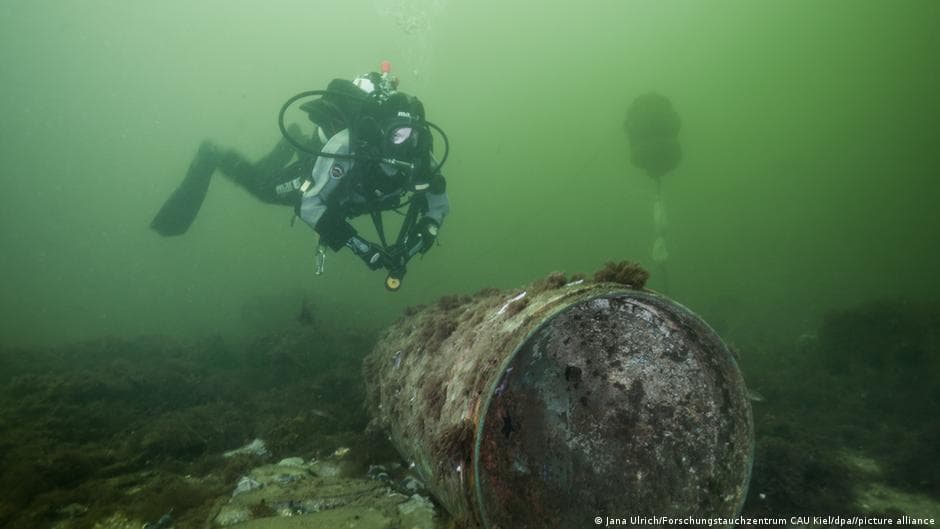
Removing old unexploded ordnance from German waters is a huge task requiring significant resources and potentially taking decades. Thousands of bombs and unexploded weapons have corroded at the bottoms of the Baltic and North Seas, with an estimated stockpile of about 1.6 million tons of ammunition. Much of this dates back to the World Wars and post-1945 weapons disposal efforts. Their corrosion causes leaks of toxic chemicals, such as trinitrotoluene (TNT), which pollute the marine environment and disturb or deform marine life. Sometimes, these substances reach top predators, raising concerns about human safety. Although the current threat to humans is low, ongoing corrosion could increase pollution levels, posing long-term environmental risks. The process of clearing these remnants requires organized efforts and advanced techniques, as much of the ordnance remains untracked and difficult to safely dispose of. Urgent action is needed before the crisis worsens.
تنويه: هذا ملخص تم إنشاؤه بواسطة الذكاء الاصطناعي



comments.heading