21 Hrs
المصدر:
عربية – DW
عربية – DW
جاهز للتشغيل
جاهز للتشغيل
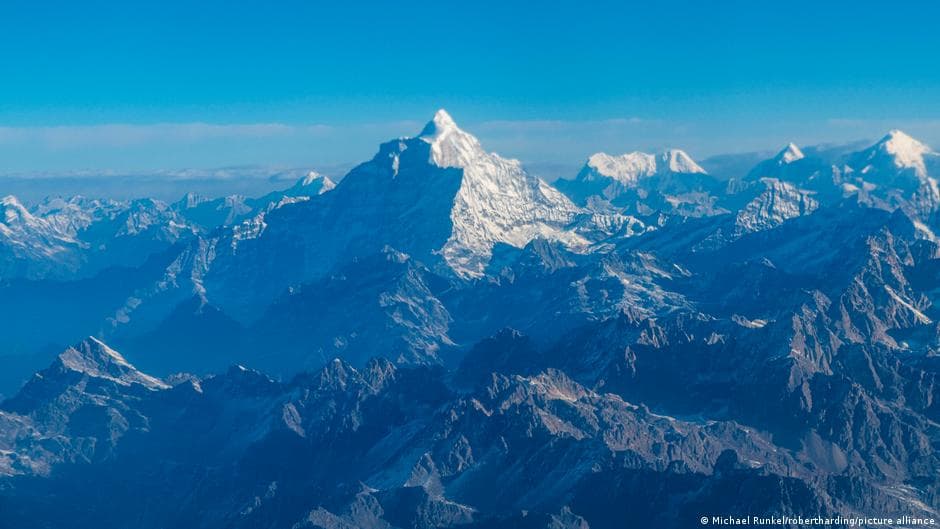
Mount Everest faces an unexpected threat from human waste, particularly accumulated urine on the ice, which causes over 150 tons of ice to melt each year due to its warm temperature reaching around 37°C. The increasing number of climbers has put additional environmental pressure, as they produce about 3 liters of urine daily during their 50-day expedition, while solid waste remains stored in bags. The mountain also suffers from more than 50 tons of trash, and Nepal's plan to remove all waste has been halted since last year due to a lack of tangible results. Experts suggest relocating camps to snow- and ice-free areas and reducing human activities that accelerate the melting of glaciers to promote the sustainability of Everest's environment.
تنويه: هذا ملخص تم إنشاؤه بواسطة الذكاء الاصطناعي






comments.heading