15 Hrs
المصدر:
عربية – DW
عربية – DW
جاهز للتشغيل
جاهز للتشغيل
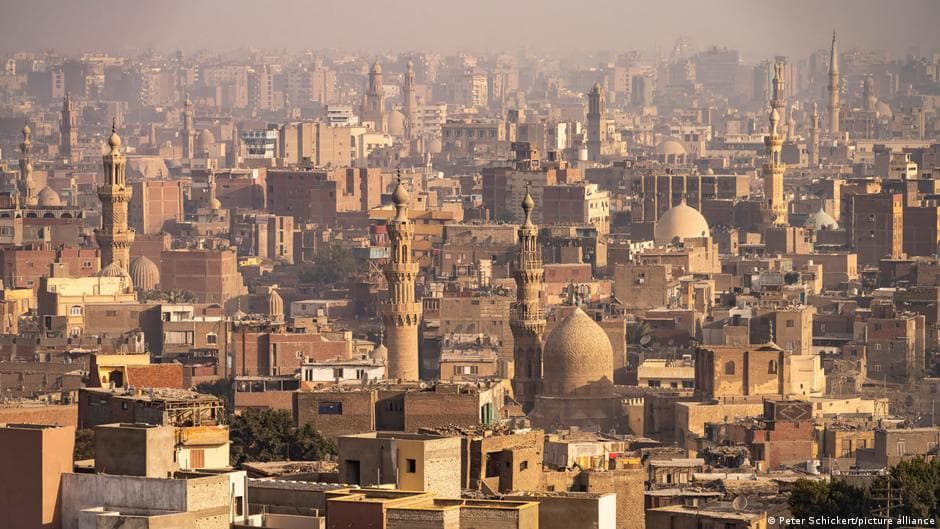
Egypt is facing a severe crisis due to the decline of vegetation cover, having lost approximately 900,000 square meters of green spaces between 2017 and 2020. This loss results from organized and systematic tree-cutting operations driven by expansion projects, infrastructure development, and agriculture. Governments justify these cuts by citing the need to improve traffic flow, conserve water, and promote development. However, investigations reveal an unofficial network selling charcoal derived from this wood, which is highly profitable and valued at up to $13.5 million annually, all carried out with little effective oversight. Such practices lead to environmental issues like global warming, air pollution, and rising temperatures, in addition to negative health and psychological impacts—particularly on lower-income communities—where disparities in green space distribution are increasing. Despite the government's efforts to plant 100 million trees, the survival rate of these newly planted trees remains low. The balance between cutting and planting remains uncertain, risking further environmental and health disasters in Egypt.
تنويه: هذا ملخص تم إنشاؤه بواسطة الذكاء الاصطناعي




comments.heading