1 Day
المصدر:
عربية – DW
عربية – DW
جاهز للتشغيل
جاهز للتشغيل
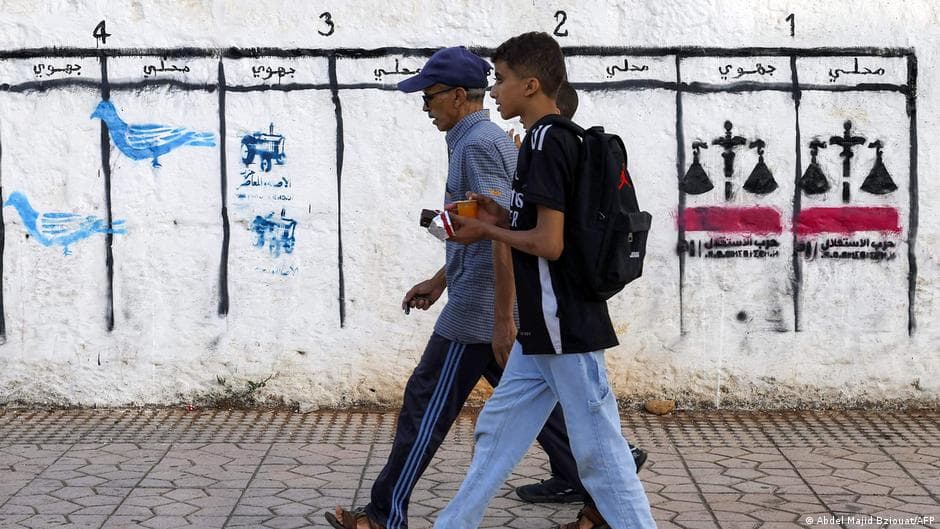
The article discusses the 2026 parliamentary elections in Morocco, where 27 parties are competing to elect a parliament consisting of 395 seats. Over 7,200 candidates are participating, including around 2,700 women, with 15.8 million voters casting their ballots. The electoral campaign focuses on important economic and social issues such as job opportunities, youth unemployment—approximately 27%—cost of living, healthcare, and education. Major parties are promising to create about one million new jobs and to make significant investments in infrastructure, especially ahead of the 2026 World Cup. However, the campaign remains largely invisible amid low public interest, particularly among young people, who have diminished trust in political institutions—in fact, their confidence in the parliament does not exceed 30%. Many see little hope that the elections will bring about real change at the political and economic levels, given the limited powers of the parliament and the king’s control over key decisions in security and foreign policy. Ultimately, the article emphasizes that while the elections will determine the makeup of the parliament and government, they will not significantly alter the country's strategic direction, which remains under the overarching authority of the king.
تنويه: هذا ملخص تم إنشاؤه بواسطة الذكاء الاصطناعي





comments.heading