2 Days
المصدر:
الشرق الأوسط
الشرق الأوسط
جاهز للتشغيل
جاهز للتشغيل
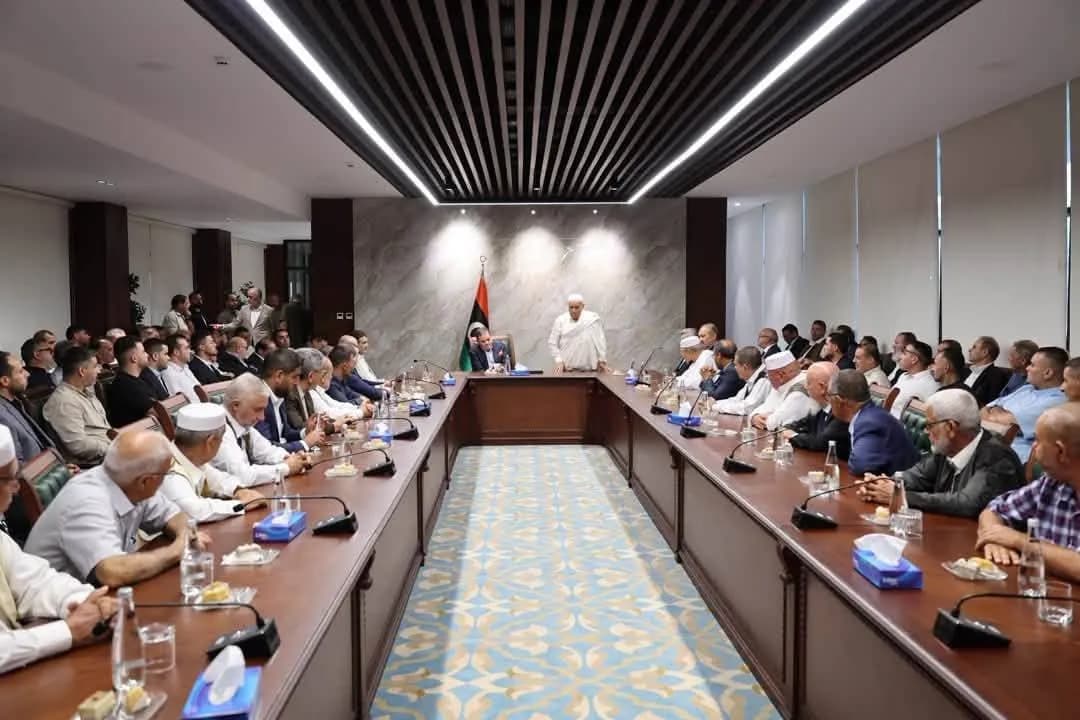
The article focuses on the divergence of positions among political forces in western Libya regarding the path to holding elections. Supporters of the "Unity Government" led by Prime Minister Abdul Hamid Dbeibeh favor the "4+4" committee's approach, which emphasizes completing the transitional process through consensus on a comprehensive electoral framework. In contrast, the Head of the Higher Council of State, Mohamed Tekala, insists on the importance of completing the constitutional milestone via a referendum on the draft constitution, which has so far been rejected. While Dbeibeh considers the "4+4" agreement a step toward achieving political stability and holding elections as soon as possible, Tekala emphasizes the need to adhere to the constitutional pathway, including a referendum on the 2017-approved constitution to secure lasting electoral legitimacy. The main disagreements remain over the legal and political frameworks that should lead to elections, with both sides stressing the necessity of ending the transitional phase and conducting elections. However, they differ in their approaches and constitutional priorities to achieve this.
تنويه: هذا ملخص تم إنشاؤه بواسطة الذكاء الاصطناعي





comments.heading