12 Hrs
المصدر:
عربية – DW
عربية – DW
جاهز للتشغيل
جاهز للتشغيل
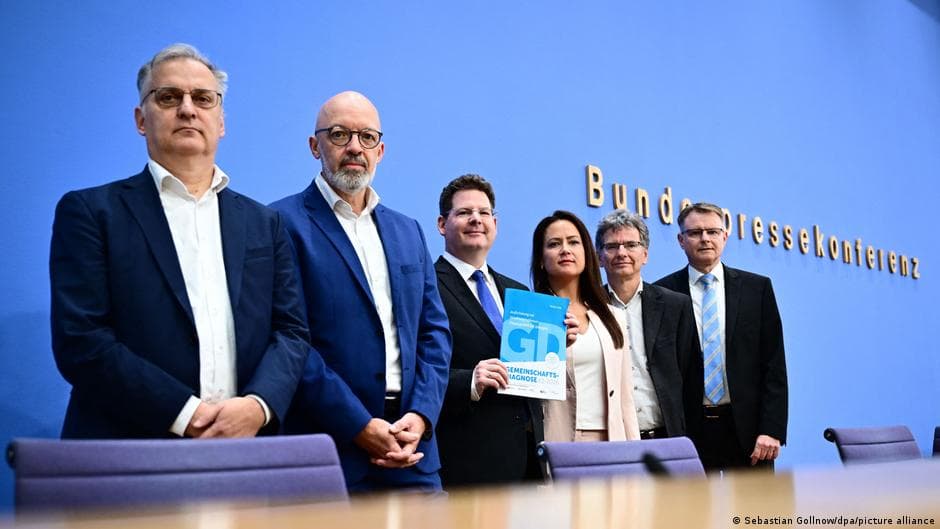
Germany's economy has experienced a noticeable recovery after years of decline, with forecasts of growth at 1.1% in 2025 and 1.3% in 2026, surpassing earlier spring estimates. This resurgence is primarily attributed to the strength of the global economy, especially in export sectors and artificial intelligence, with rising demand for chemical products and data center services. However, experts suggest that this growth is temporary, and structural challenges such as rising energy prices, an aging population, shortages of skilled labor, and weak investments could slow growth to 0.4% by 2028. The country relies heavily on significant government spending, which is expected to increase the deficit from 4.1% to 4.7% by 2028, amidst criticism of its current debt-based financial policies. Additionally, there are concerns over the lack of clear strategies for energy transition and increasing tensions due to the rise of the Alternative for Germany (AfD) party, affecting investor confidence and skilled worker migration. The manufacturing sector continues to decline, losing around 15,000 jobs each month, with efforts focused on fostering innovation and reducing bureaucracy. The future of growth remains linked to political and economic reforms, emphasizing the need to build confidence and steer more investments toward future-oriented sectors.
تنويه: هذا ملخص تم إنشاؤه بواسطة الذكاء الاصطناعي



comments.heading