4 Hrs
المصدر:
عربية – DW
عربية – DW
جاهز للتشغيل
جاهز للتشغيل
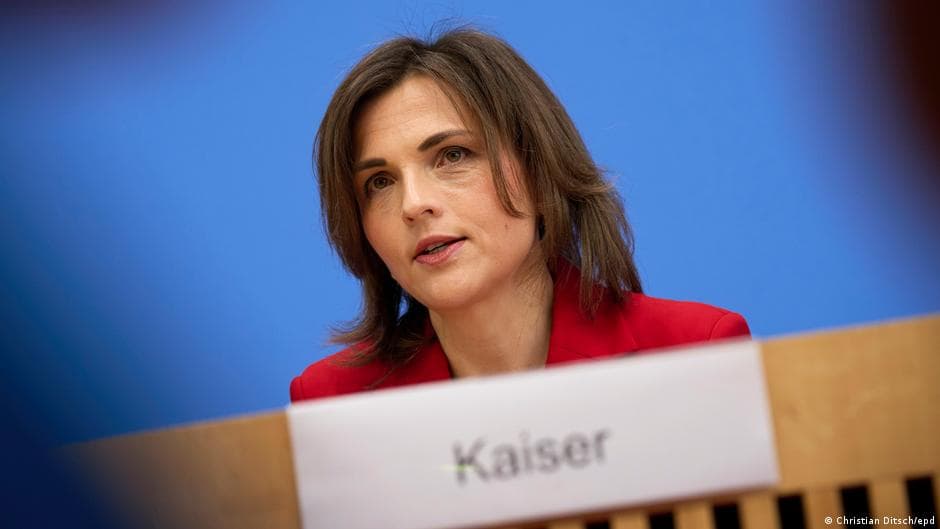
The article discusses the current state of economic and social disparities between East and West Germany, emphasizing that residents of Eastern Germany still suffer from weaker wealth, limited social opportunities, and lower levels of progress compared to the western parts of the country. Elizabeth Kaiser, the government representative for Eastern Germany affairs, points out that these disparities are evident in lower income levels, pensions, and inherited wealth, results of decades of restrictions on entrepreneurship and financial accumulation in the East. The article also highlights the insufficient representation of East Germans in leadership positions within government, the economy, and media, where their share has declined despite constituting about 20% of the population. The study asserts that societal perceptions of success are heavily influenced by wealth and social connections, which hinder social mobility. It notes that the self-image of younger generations, who do not feel a strong sense of belonging to the East, is evolving. Symbols such as the "Simson" motorcycle are increasingly used to reinforce Eastern identity, though some political parties exploit this for electoral gains. Kaiser also warns that economic challenges in vital sectors like semiconductor manufacturing and green energy in East Germany could harm the investment climate and impede sustainable economic recovery.
تنويه: هذا ملخص تم إنشاؤه بواسطة الذكاء الاصطناعي


comments.heading