9 Hrs
Source:
اقتصاد
اقتصاد
Ready to play
Ready to play
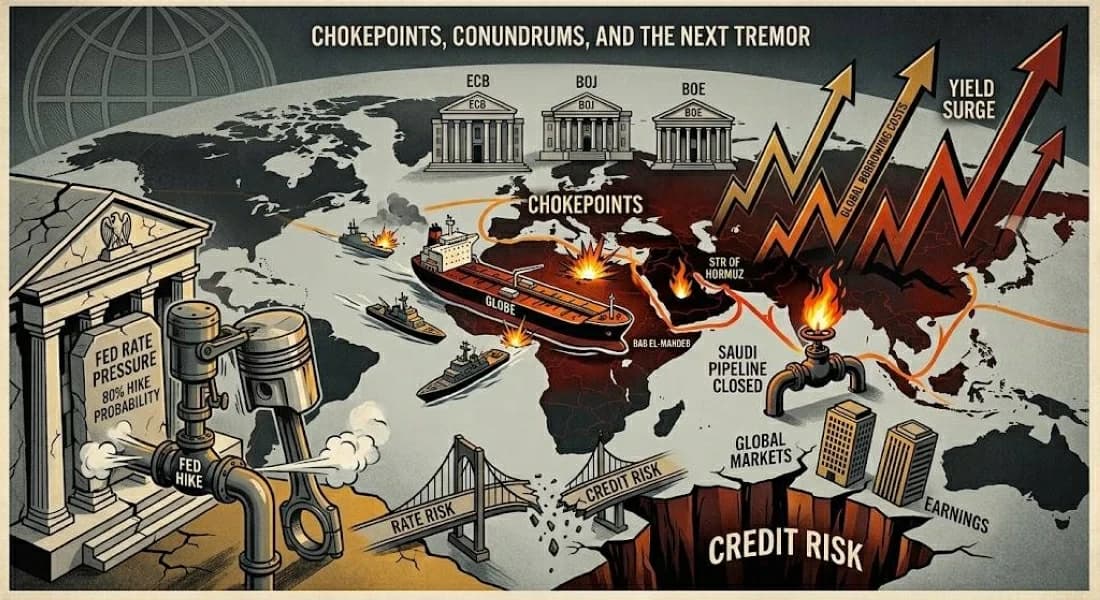
Money has become more expensive globally due to rising interest rates, with government bond yields in some countries reaching 3.5% in Germany, 5.6% in Britain, and nearly 5% in the United States—levels not seen in years. This has led to higher borrowing costs, as global government debt has climbed to approximately $116 trillion, placing a heavy burden on governments, businesses, and individuals, and posing a significant challenge to the global economy. This rise is attributed to excessive government spending, increased corporate investments in artificial intelligence, oil price fluctuations, and central banks raising interest rates. Additionally, Japan and France are experiencing financial deterioration, with Japan facing debts exceeding 204% of its GDP, and France confronting a substantial deficit and debts greater than Greece’s despite its debt's accumulated interest. These policies are creating economic disparities, reflected in the uneven distribution of impacts between the wealthy and low-income households. They are also increasing the financial strain on governments, leading to a decline in the quality of essential public services. This situation signals the end of the era of "cheap money" and presents challenges regarding the economy’s ability to sustain the high costs of interest payments.
Notice: This Is an AI-Generated Summary






Comments (0)