16 Hrs
Source:
اقتصاد سكاي نيوز عربية
اقتصاد سكاي نيوز عربية
Ready to play
Ready to play
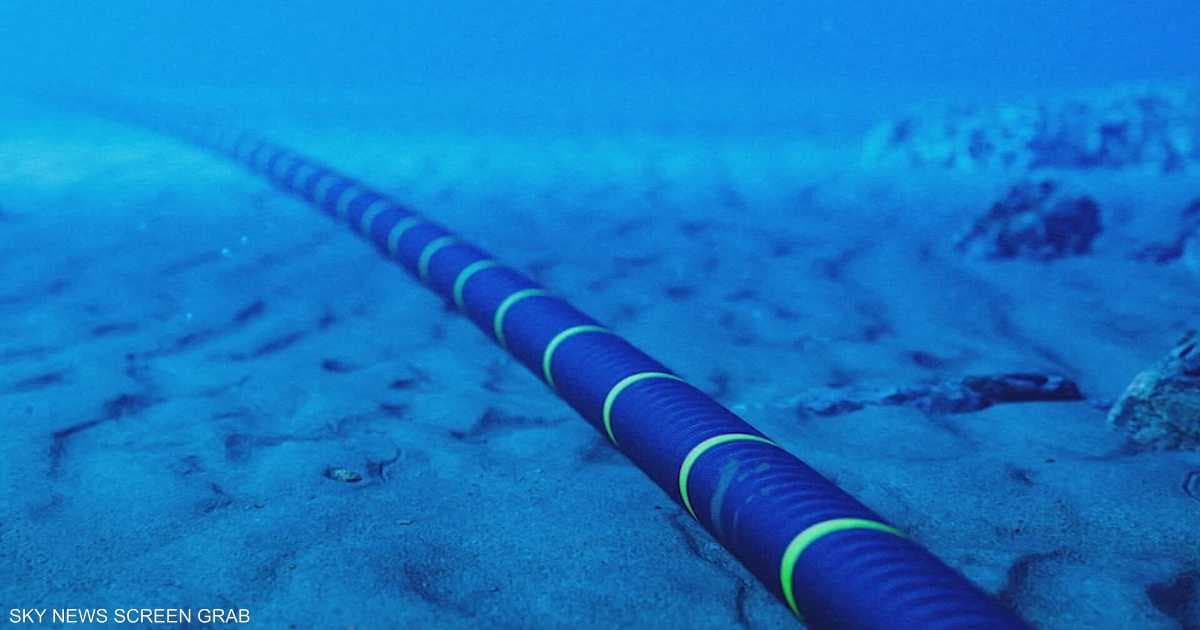
The article discusses Iran's threats to subject the fiber optic cables passing through the Strait of Hormuz to a permit system, in an attempt to expand its control over the most important routes for energy, commerce, and international communication. The targeted cables include the AAE-1 cable, which connects Asia with Europe, as well as the Falcon and Gulf Bridge cables that link the Gulf, India, and East Africa to Egypt. These cables are responsible for transmitting various types of data, such as financial communications, social media, and government information. Any damage to them could lead to potential disruptions in global communications, especially in Qatar, which relies on the cable passing through the Strait of Hormuz. The Strait itself is a fragile area exposed to harassment risks by Iran, which possesses military capabilities that could enable it to attack the cables or halt maintenance and extension operations. Incidental accidents that cause cable outages are common, but deliberate attacks are more dangerous and require lengthy repairs. Iran justifies its threats by citing absolute sovereignty over its territorial waters, despite international maritime law imposing restrictions on charging fees or requiring permits for passing cables. However, Iran may exploit the lack of ratification of certain international agreements to achieve its goals, posing a threat to communication security in the region and globally.
Notice: This Is an AI-Generated Summary







Comments (0)