1 Day
Source:
بوابة أخبار اليوم
بوابة أخبار اليوم
Ready to play
Ready to play
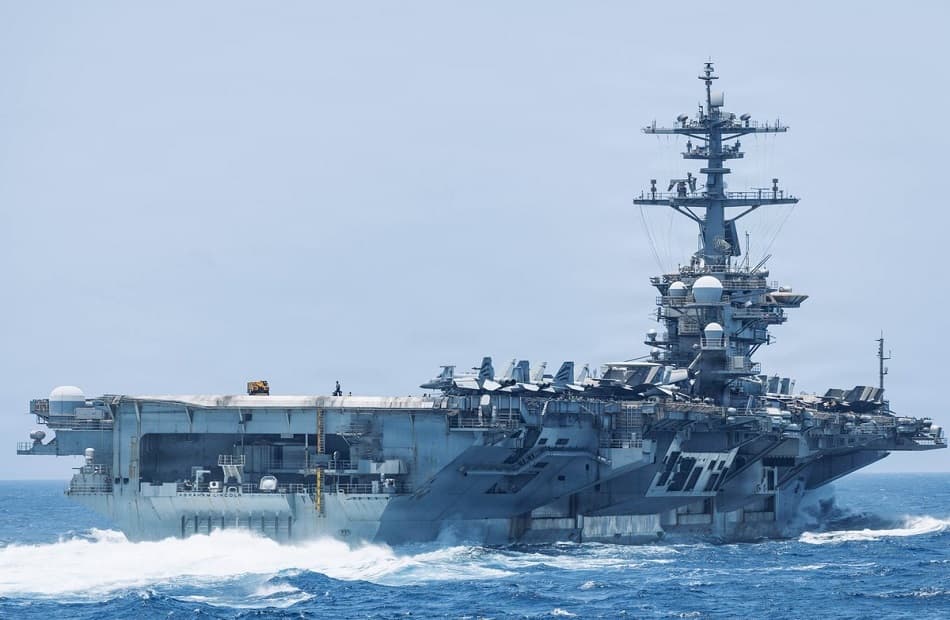
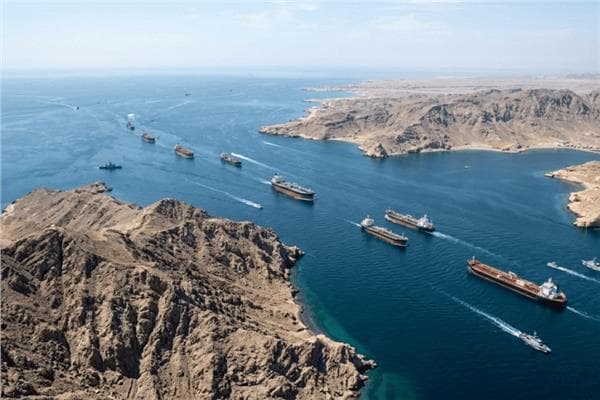
The article discusses the history and geopolitical significance of the Strait of Hormuz, through which one-fifth of the world's oil production passes, and the importance of various attempts to control it throughout history. Portugal initiated efforts in the 16th century to dominate spice trade. Later, the concept of the "Free Sea" was supported by the Netherlands, England, and the United States—nations committed to the principles of freedom of navigation, despite the U.S. not ratifying the Montagu-Chelmsford Treaty. Nonetheless, the geographical location of the straits was utilized, especially by Britain, which established military bases in the region, notably in Singapore and Socotra, to exert control over trade routes. Currently, Iran has closed the strait during the war, causing oil prices to rise, while the United States has imposed a naval blockade on Iranian ports, amid ongoing tensions over control of the strait. Looking ahead, more issues are expected to arise in other straits, such as the Taiwan Strait and the Malacca Strait, driven by regional ambitions and their strategic importance.
Notice: This Is an AI-Generated Summary




_1777352244987_250242181.png&w=48&q=75)
Comments (0)