1 Day
Source:
المصري اليوم
المصري اليوم
Ready to play
Ready to play
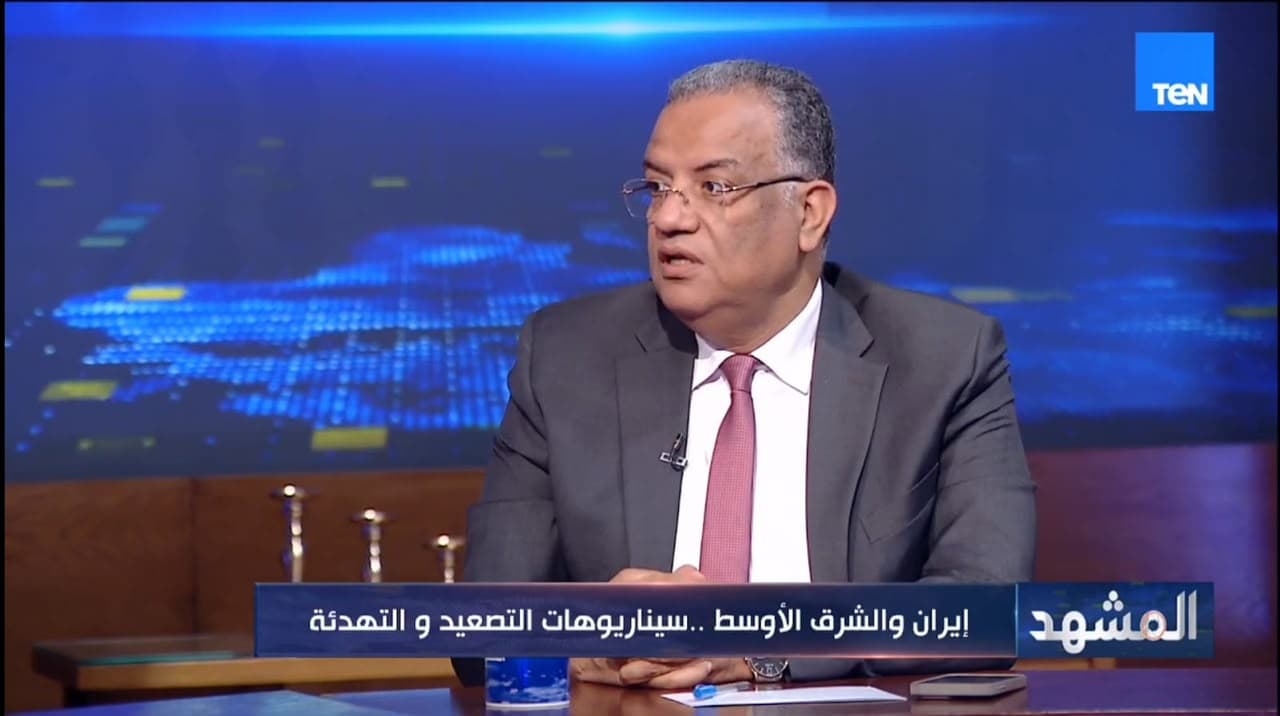
Dr. Mustafa Abdel Karim, a member of the Higher Advisory Committee for the Grand Mufti, affirmed that religious edicts (fatwas) change according to time, place, and individuals. They must be based on authentic Islamic evidence, rather than on strictness or leniency. He explained that issuing a fatwa involves stages: first receiving the question, then interpreting it, and finally clarifying the ruling with supporting evidence. Deviating from this method may lead to confusion and incorrect fatwas, especially if the mufti begins with a predetermined stance towards prohibition. He pointed out that there are definitive issues with no disagreement, and others that are speculative and open to scholarly opinion. The choice of a fatwa considers the condition of the questioner and the surrounding circumstances, including customs and traditions. Distinguishing between textual jurisprudence and the flexibility of practical jurisprudence is essential to providing an appropriate ruling for each situation.
Notice: This Is an AI-Generated Summary


_1777352244987_250242181.png&w=48&q=75)




Comments (0)