1 Day
Source:
فيتو
فيتو
Ready to play
Ready to play
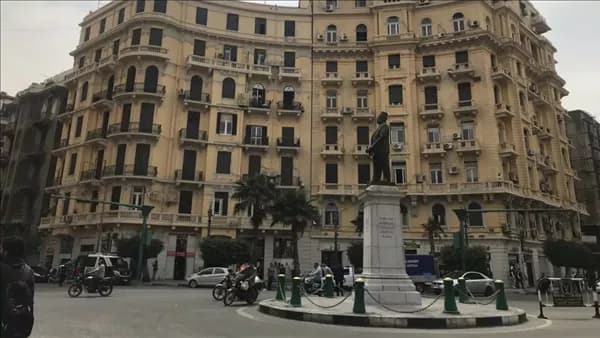
The July 23, 1952 Revolution brought about fundamental changes to the geography of Cairo. The new regime redesigned and renamed streets and squares to remove symbols of the monarchy and British colonialism—for example, transforming Fuad I Street into July 26th Street, and King Farouk Street into the Army Street. Civil titles were abolished, and royal palaces were repurposed as public institutions or official headquarters—such as turning Abdeen Palace into the presidential palace. Major squares were expanded; for instance, Ismailia Square was transformed into Tahrir Square, which became a symbol of revolution and freedom. Statues linked to the colonial or monarchical era were removed, and new national symbols were revived. These changes also included urban development expansions in areas like Nasr City and the Engineers District, aimed at accommodating population growth and strengthening national identity. This shifted the public space from symbols of aristocracy and colonialism to a reflection of national transformations and the modern state.
Notice: This Is an AI-Generated Summary





_1777352244987_250242181.png&w=48&q=75)

Comments (0)