





_1777352244987_250242181.png&w=48&q=75)



Risks of QR Scams in Arab EV Charging
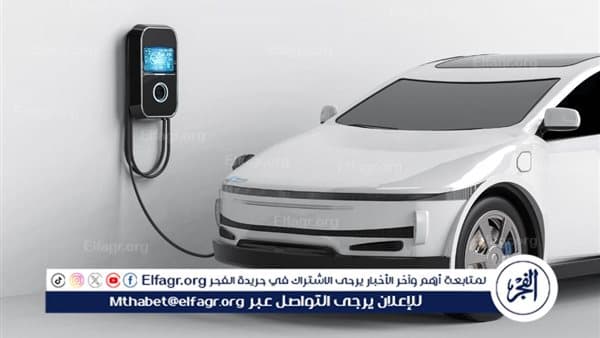
With the increasing spread of electric cars in the Arab world and the expansion of public charging stations, the need to protect users from scams involving QR codes has become more critical. Fraudsters rely on replacing the original QR code with a counterfeit one that directs the user to a fake webpage, tricking the victim into entering their banking information, which exposes them to data theft and unauthorized financial transactions. Cybersecurity experts recommend verifying QR codes and ensuring the authenticity of web addresses, as well as activating protective measures such as two-factor authentication. These threats are growing as reliance on electronic payments and smart applications increases.
Size: 120%Text Size
Notice: This Is an AI-Generated Summary
Comments (0)