






Hypothyroidism symptoms and treatments
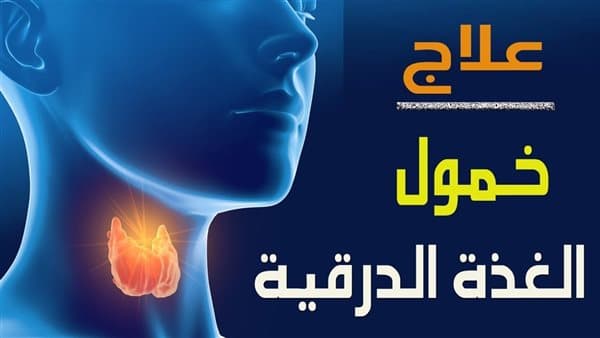
Hypothyroidism is a disorder that occurs when the thyroid gland does not produce sufficient amounts of the hormones thyroxine (T4) and triiodothyronine (T3), leading to a slowdown in bodily functions and the development of gradual symptoms. Notable signs include persistent fatigue, unexplained weight gain, heightened sensitivity to cold, dry skin, hair loss, constipation, slow heartbeat, swelling of the face and eyelids, joint pain, hoarseness, and mental health issues such as depression, concentration difficulties, and forgetfulness. The symptoms of hypothyroidism can vary between women and elderly individuals, with a higher likelihood of occurrence after the age of forty or following pregnancy, and it can cause menstrual irregularities and fertility problems in women. The most common cause is autoimmune thyroiditis (Hashimoto's), along with other factors such as surgical removal of the thyroid, iodine deficiency, and certain medications. It is advisable to see a doctor if symptoms persist, as treatment generally involves hormone replacement therapy with levothyroxine, requiring regular follow-up to monitor hormone levels. With proper adherence to treatment and follow-up, patients can manage the condition, return to a normal life, and experience gradual improvement in symptoms over weeks or months.
Notice: This Is an AI-Generated Summary
Comments (0)