1 Day
Source:
بوابة أخبار اليوم
بوابة أخبار اليوم
Ready to play
Ready to play
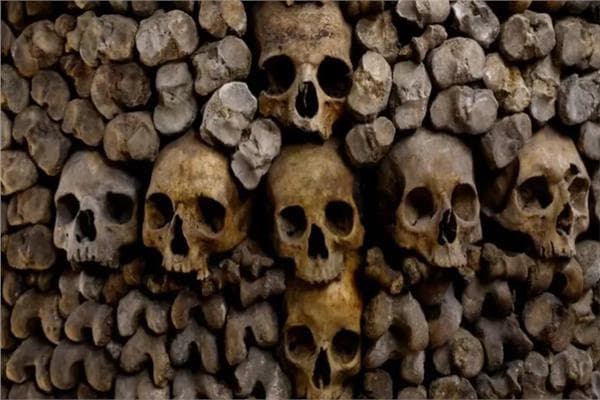
The study indicates that the human brains found preserved inside tombs for thousands of years do not always remain preserved due to technological methods; instead, their preservation may result from chemical reactions that occur during decomposition. It has been shown that water-rich, low-oxygen environments contribute to the formation of chemical bonds that make the proteins solid and more resistant to decay, explaining the survival of some brains despite the disappearance of other tissues. The study suggests that free radicals and environmental conditions play a key role in transforming proteins into solid structures that preserve the tissues, with the possibility that this mechanism is unique to the brain due to its complex composition. The findings enhance our understanding of ancient decomposition processes and may also shed light on mechanisms involved in brain diseases such as Alzheimer's.
Notice: This Is an AI-Generated Summary







Comments (0)