1 Day
Source:
بوابة أخبار اليوم
بوابة أخبار اليوم
Ready to play
Ready to play
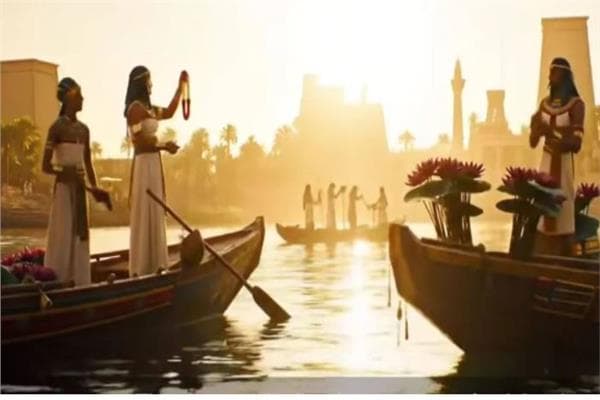
The Egyptians celebrate the Oud Fi Ye El-Nil (Loyalty to the Nile) Festival annually on August 15th, in honor of the river's generosity that shaped their civilization over thousands of years. The origins of this celebration date back approximately seven thousand years, to the dawn of ancient Egyptian civilization and the start of the flood season. During these festivities, rituals typically included prayers, offerings, and symbolic acts expressing gratitude to the Nile and its deification as a god of fertility and abundance named "Hapi." Practices involved offering the fish called "Atop" as a symbolic sacrifice, and throwing flowers and vegetables into the river. There is no archaeological evidence to support the tradition of sacrificing girls. These celebrations continued after the construction of the High Dam, transforming into symbolic acts that highlight human efforts to preserve water and honor the enduring relationship with the Nile, which has remained an integral part of Egyptian identity. The article emphasizes the role of ancient Egyptians in exploring the Nile's sources, using its waters in religious rituals, and how the river's significance persisted through Coptic art and the Islamic era, where it became a symbol of fertility and purity. Efforts to maintain its flow through dams and bridges are also highlighted, along with the importance of preserving the Nile as a vital source of fertility and national identity.
Notice: This Is an AI-Generated Summary









Comments (0)