24 Hrs
Source:
اليوم السابع
اليوم السابع
Ready to play
Ready to play
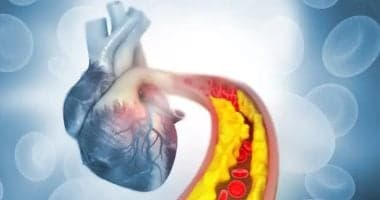
High levels of bad cholesterol (LDL) increase the risk of developing heart and blood vessel diseases, often without clear symptoms. This necessitates regular blood tests to monitor levels. Doctors recommend relying on a comprehensive plan that includes dietary modifications—such as replacing saturated fats with unsaturated fats—engaging in regular physical activity (150 minutes per week), and maintaining a healthy weight. It is also important to reduce intake of saturated and trans fats and increase dietary fiber. Medication is advised when LDL levels are very high or if cholesterol cannot be controlled through lifestyle changes alone, especially if there are additional risk factors like diabetes or heart disease, with the need for medication determined by a doctor. It should be noted that high cholesterol can be hereditary and difficult to manage through diet alone, requiring ongoing monitoring and comprehensive medical assessment.
Notice: This Is an AI-Generated Summary







_1777352142843_145525226.png&w=48&q=75)
Comments (0)