24 Hrs
Source:
اليوم السابع
اليوم السابع
Ready to play
Ready to play
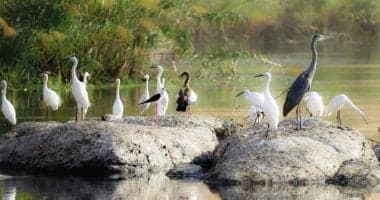
The story of Abu Qardanan, the white bird that lives in Aswan, is often credited with a historic contribution to protecting Egypt's cotton crop, known as "white gold," from pests and insects in the early twentieth century. This helped save millions of pounds for the national economy. Abu Qardanan naturally played a role in biological control, feeding on insects and larvae, and the government successfully protected and bred the bird within zoos through a law banning its hunting. As a result, its population increased from 15 birds to about 200,000, gradually contributing to natural pest control. However, a new threat emerged as demand for the bird’s feathers grew in Europe for use in decorating women’s hats. This led to widespread hunting that nearly wiped out the species, highlighting the importance of conserving wildlife to prevent ecological and economic imbalance. Abu Qardanan is known as the "Friend of the Farmer" because it feeds on parasites and harmful insects. Today, it still inhabits the fields of Aswan, underscoring the need to preserve biodiversity due to its vital role in maintaining ecological and agricultural balance.
Notice: This Is an AI-Generated Summary




_1777352142843_145525226.png&w=48&q=75)




Comments (0)