22 Hrs
Source:
المصري اليوم
المصري اليوم
Ready to play
Ready to play
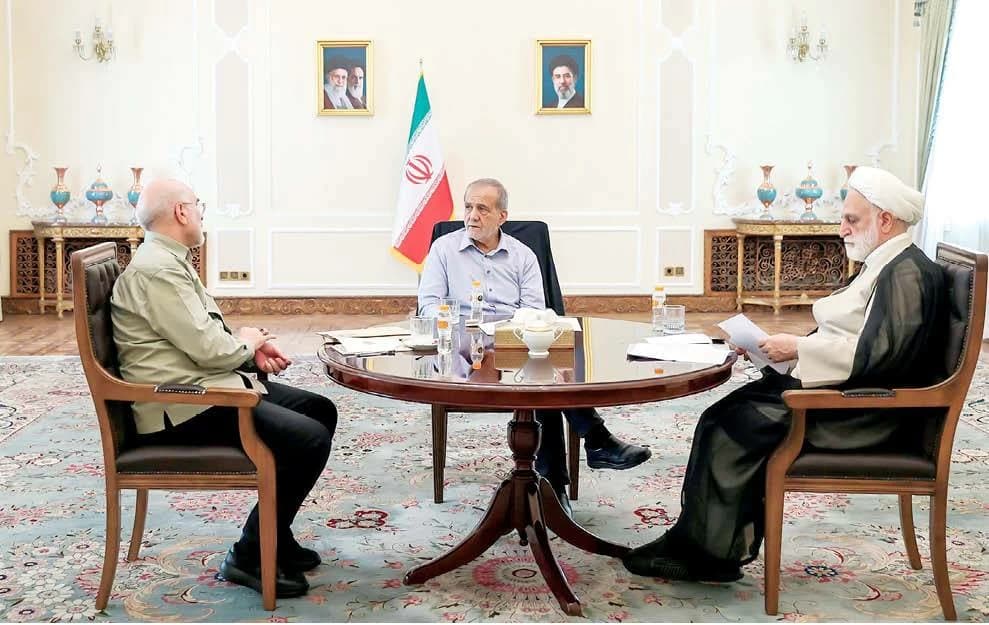
The article concerns Washington's efforts to impose economic sanctions on Iran, where the U.S. Treasury Secretary announced plans to implement the "toughest sanctions in history" against Tehran, and expressed readiness to hold a press conference on the matter. Iran responded through its officials, especially the Secretary of the Supreme National Security Council, Mohsen Rezaee, who confirmed that Iran will not allow any oil to pass through the Strait of Hormuz if neighboring countries cooperate with the United States on sanctions. He warned of closing the strait and issued threats to countries supporting the sanctions. He also indicated that Iran might begin developing a nuclear bomb if pressures continue, despite not declaring a change in its nuclear policy. Iranian President Masoud Beshkian clarified that Iran is resisting sanctions and facing a “full-scale war” that includes economic, military, and security dimensions. He affirmed that the government is working to solve internal problems and uphold the dignity of the country, linking any agreement with the United States to the economic situation and emphasizing that Iran refuses to back down in the face of pressures. The events are unfolding within the context of Iran escalating its stance and confronting American challenges, with diplomatic and military movements and warnings of closing the Strait of Hormuz—threatening regional security and the stability of the global oil market.
Notice: This Is an AI-Generated Summary



_1777352142843_145525226.png&w=48&q=75)
_1777352244987_250242181.png&w=48&q=75)

Comments (0)