







_1777352142843_145525226.png&w=64&q=75)

Central Bank mulls digital pound Egypt without cash
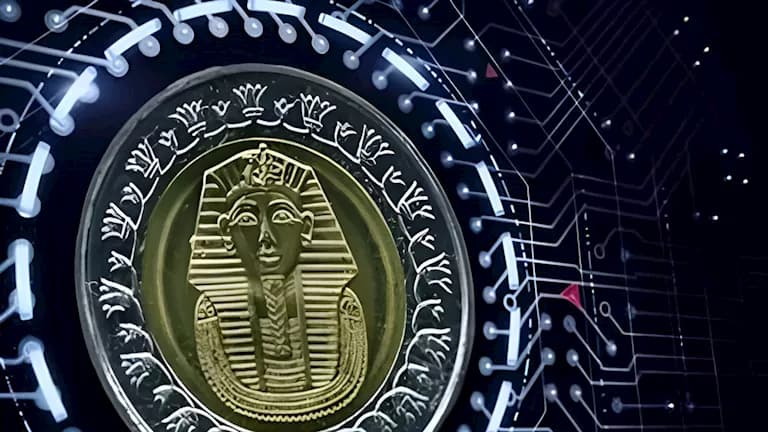
The Central Bank of Egypt is currently exploring the issuance of the digital Egyptian pound as part of Egypt's plan to achieve full digital transformation in its payment system by 2030. The digital pound is based on a digital version of the paper currency issued by central banks and aims to enhance instant electronic payments between individuals and businesses while maintaining currency stability and avoiding the fluctuations seen in cryptocurrencies. Despite the significant growth in digital payments—reaching 38 trillion Egyptian pounds in 2025 and increasing by 45%—Egypt still heavily relies on cash. Experts indicate that the current digital transition adds to the traditional economy rather than replacing it entirely, as a large portion of money is still held outside the banking system, and cash is used for certain transactions, especially for short distances or during internet outages. Additionally, the importance of having a payment method that is not dependent on continuous internet connectivity, such as cash, is highlighted, considering that digital infrastructure can experience outages. Experts believe that adopting the digital pound will help accelerate the flow of money, reduce costs associated with cash handling, and facilitate auditing and tax collection processes. However, its success depends on technological development and overcoming cybersecurity risks. Ultimately, the goal is to improve the efficiency of the financial system while preserving a non-electronic payment method as a backup in emergency situations.
Notice: This Is an AI-Generated Summary
Comments (0)