1 Day
Source:
بوابة أخبار اليوم
بوابة أخبار اليوم
Ready to play
Ready to play
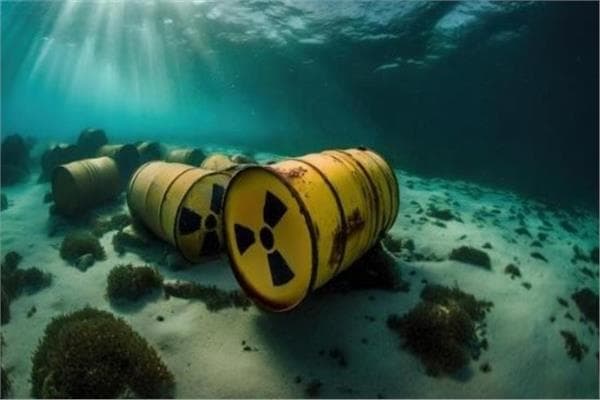
Radioactive waste residues left on the bottom of the Pacific Ocean by the United States for more than half a century are among the most significant environmental risks that remain poorly understood to date. Between 1946 and 1970, American commercial and government entities transported approximately 47,800 containers of radioactive waste to the deep waters near the Farallon Islands off the coast of California, using 55-gallon steel drums often covered with heavy lids or concrete blocks. Not all disposal operations proceeded as planned; some drums deviated from their designated locations and spread across a wide area estimated at 1,400 square kilometers on the seafloor within the Farallon Islands Marine Preserve. These containers hold low-level radioactive materials such as uranium and thorium, but concerns persist about the potential leakage of radioactive substances into the ocean waters, given the lack of complete records regarding the condition of the drums and their contents. While preliminary studies have not revealed significant radioactive contamination, the precise state of the containers—whether they have corroded or leaked—remains uncertain, posing possible environmental risks to marine life.
Notice: This Is an AI-Generated Summary







Comments (0)