23 Hrs
Source:
اليوم السابع
اليوم السابع
Ready to play
Ready to play
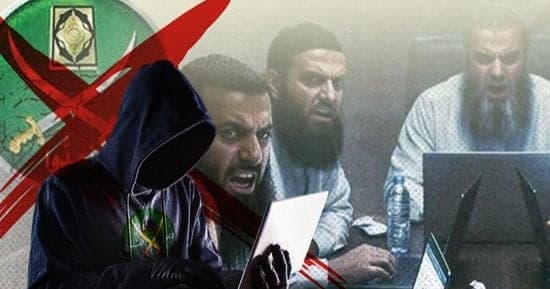
The article focused on the decline and worsening situation of the Muslim Brotherhood after losing power in Egypt. Its leaders shifted from governance to dispersion and withdrawal from the internal scene, amid escalating internal divisions and conflicts over leadership and funding. After a year of governance in 2012, which ended with the June 30, 2013 revolution that ousted Morsi and the Brotherhood's rule, many of the group's leaders moved abroad. They began efforts to restore their influence through external support, media outlets, and international platforms, amid a decline in their domestic influence. The divisions between the Istanbul and London fronts, along with financial and media disagreements, further exacerbated the group's crises. Attempts to seek external support through appeals for help did not re-establish their control over the Egyptian landscape; instead, these moves deepened their internal and organizational crises. Challenges surrounding leadership unity and funding persisted, reflecting that the loss of power has led to a severe existential crisis and internal divisions intertwined with struggles for influence and trust. The future remains uncertain, with ongoing hesitation regarding the return to political dominance.
Notice: This Is an AI-Generated Summary


_1777352142843_145525226.png&w=64&q=75)



Comments (0)