18 Hrs
Source:
اليوم السابع
اليوم السابع
Ready to play
Ready to play
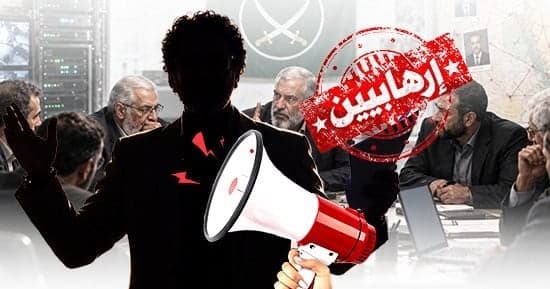
The article clarifies that the Muslim Brotherhood terrorist organization is no longer a unified entity; instead, it has fragmented into several competing fronts, most notably the London front and the Istanbul front. These divisions resulted from internal splits and conflicts over leadership, legitimacy, and funding. These rifts began after 2013, when security operations weakened the central institutions and created a power vacuum in decision-making centers. This led to the emergence of influential centers of power outside Egypt, complicating the crisis further. The death of Ibrahim Mounir, a key figure, prompted the London front to assert its legitimacy, while the rivalry intensified over control of resources and media platforms. The internal conflict has become overt, transforming into a battle fought in the realms of media and finances. Each front controls media outlets and resources, using them as tools to demonstrate legitimacy and sustain their presence. Meanwhile, competition continues over resources, influence, and the ability to represent the organization externally. This division has led to the disintegration of the group into competing entities, the breakdown of unity, and the transformation of its platforms from tools of solidarity into battlegrounds serving each front’s interests—aimed at confronting the Egyptian state and securing its own goals.
Notice: This Is an AI-Generated Summary
_1777352142843_145525226.png&w=64&q=75)





Comments (0)