24 Hrs
Source:
اليوم السابع
اليوم السابع
Ready to play
Ready to play
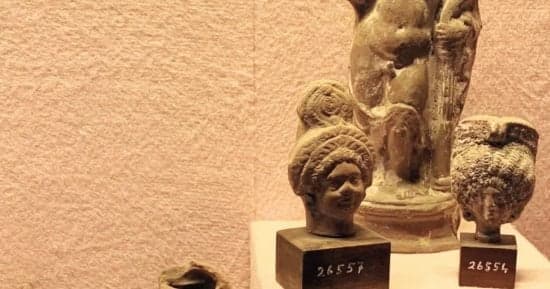
The discussion centered on the terracotta statues at the Hurghada Archaeological Museum. These statues are considered some of the most important art forms of ancient Greek civilization, which spread to Egypt beginning in the 6th century BC. They were crafted by the Greeks in the city of Nocratis near Pyu Kirk and evolved during the Hellenistic era (4th century BC), when Alexandria became a major center for their production. These statues are characterized by their small size and intricate details, depicting various kinds of humans and animals. They were often linked to religious beliefs and ritual uses, featuring vibrant colors and diverse shapes. The creation of terracotta relied on molds and manual craftsmanship, with significant production in the Fayoum region, leading to their widespread distribution throughout ancient Egypt. The collection includes statues of ordinary people, symbolic figures, models of temples, and everyday tools, displaying high skill in detailing clothing and symbolic distortions. These elements reflect aspects of the social and religious life of that period.
Notice: This Is an AI-Generated Summary






Comments (0)