








Future astronauts may wear Pampers suits
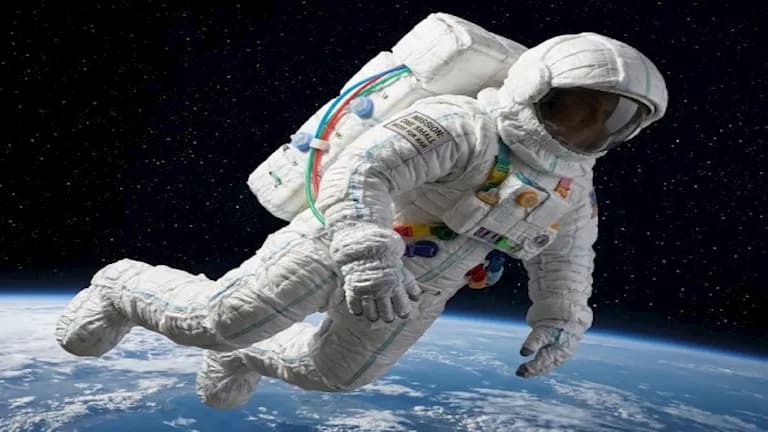
The article focused on a recent scientific experiment aimed at developing shields to protect astronauts from the dangerous space radiation using hydrogel, a flexible material with a high capacity for water absorption and rich in hydrogen atoms. A team of engineering students from the Florida Institute of Technology conducted tests inside a small hand-sized laboratory aboard the International Space Station, with the goal of studying the effectiveness of this type of protection in a microgravity environment. Cosmic radiation is one of the biggest challenges facing long-duration space missions, as a single day behind protective layers exposes astronauts to radiation levels equivalent to an entire year on Earth's surface. Hydrogel has shown to outperform metal in its ability to protect and respond to potential holes in the shield. The test focuses on Hydrogel’s capacity to distribute water within a closed structure and provide effective radiation protection, with potential applications later in medical fields on Earth, such as improving medical dressings for patients undergoing radiation therapy. The actual testing is expected to begin in the coming days after the laboratory is installed on the Dragon spacecraft, with great interest in the study’s results, which could establish the foundation for lightweight, effective shields based on water and free of metals.
Notice: This Is an AI-Generated Summary
Comments (0)