








The unseen battle for ocean arteries
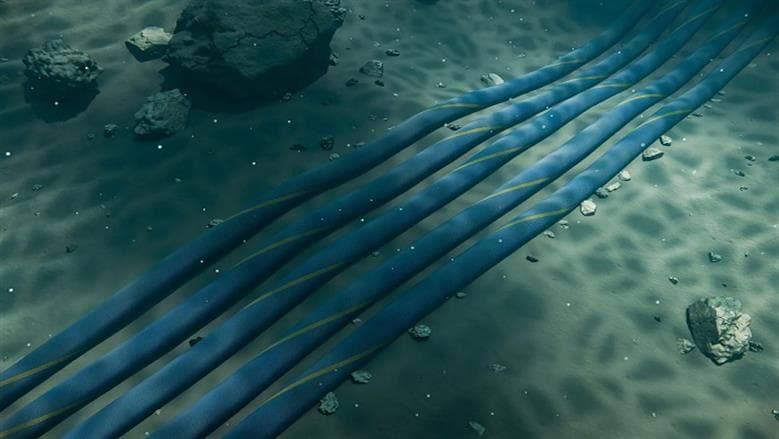
The article discusses the escalation of covert conflicts deep beneath the seas targeting submarine cables and power lines, based on memoirs from Elizabeth Brasow's book "The War Under the Sea." Submarine cables that carry between 95% and 99% of global internet traffic are a primary target of modern threats, as sabotage operations and repairs are difficult to detect. There are concerns about Russian ships like "Yantar" gathering intelligence or jamming maritime systems. The Baltic Sea and incidents of cable cuts in the Pacific Ocean, such as the Nord Stream pipeline and Taiwan cables, have seen an increase in activities damaging maritime infrastructure, with legal responsibility difficult to establish. Deep-sea mining activities, approved by U.S. President Donald Trump, open competition over resources but pose potential environmental risks. Tensions between Russia and the West suggest that maritime infrastructure is becoming a key part of strategic conflicts, since targeting cables can cause widespread disruptions without overt military attacks. This reflects an expanding scope of underwater escalation to include communication and energy networks, amid concerns over the difficulty in distinguishing intentional attacks from accidental incidents.
Notice: This Is an AI-Generated Summary
Comments (0)