









U.S. Military Decision Sparks Debate
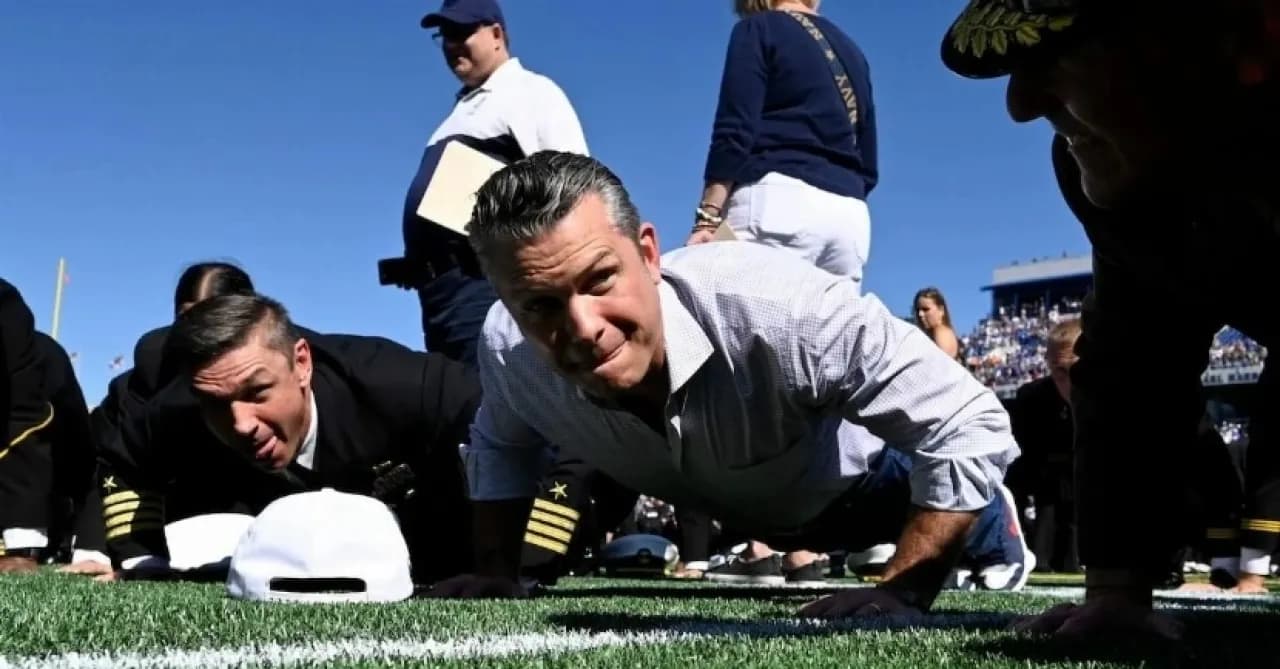
The decision by U.S. Secretary of Defense, Pete Hegseth, to require military personnel—both active duty and reserve—over the age of 30 to undergo annual testosterone level testing has sparked widespread controversy. The initiative aims to enhance physical and mental performance, increase stamina, and extend soldiers’ professional longevity. However, medical experts have indicated that this measure lacks sufficient scientific backing, and that testing and treatment for testosterone deficiency should be limited to those exhibiting clear symptoms, such as decreased libido and muscle weakness. Hormonal therapy can lead to health complications like cardiac arrhythmias, reduced fertility, and prostate issues. Additionally, specialists note that testosterone levels naturally decline after age 30 at a rate of about 1-2% per year, which does not justify broad testing without obvious signs of deficiency. Moreover, it is believed that tests could help identify cases of testosterone deficiency that are treatable through lifestyle changes, provided treatment is administered under careful medical supervision due to potential adverse effects that could impact men's health, especially among young men. This measure is part of efforts to address the so-called "fighter syndrome" experienced by some members of special forces.
Notice: This Is an AI-Generated Summary
Comments (0)