








Advance taxes spark economic crisis fears
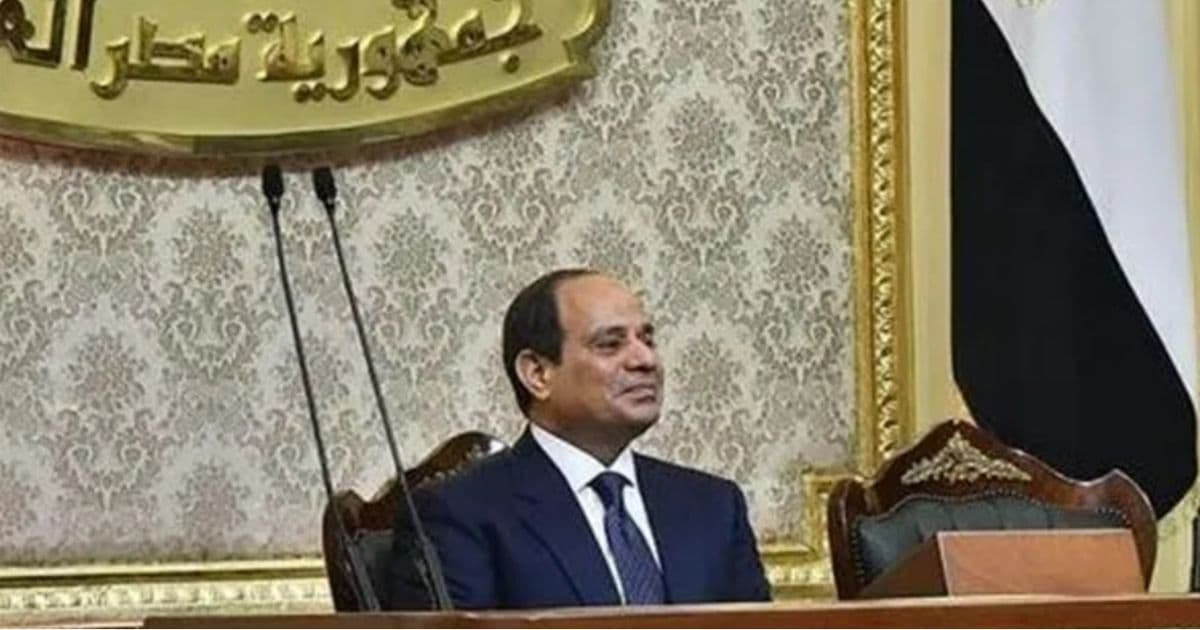
President Abdel Fattah El-Sisi announced a new measure to finance the Egyptian government through the issuance of "tax coupons," which are financing tools that allow taxpayers to provide liquidity upfront in exchange for deducting their value from future tax obligations. The goal is to reduce dependence on external borrowing and lower the cost of debt servicing. While this approach is considered a solution to improve liquidity and cut financing costs, it raises concerns about repeating the barter system established in the 19th century, which led to sovereign risks and financial deterioration in Egypt. According to economic experts, this measure is viewed as draining the financial resources of future generations, posing risks to the sustainability of healthcare and education services, and threatening fiscal stability—especially since interest payments currently consume between 70% and 80% of tax revenues. It is believed that such policies increase pressure on businesses and citizens, deepen economic stagnation, and involve reducing the value of owed taxes. Future revenues might be diverted into irregular and unproductive debt servicing, which jeopardizes the ability to provide essential services for upcoming generations.
Notice: This Is an AI-Generated Summary
Comments (0)