24 Hrs
Source:
عربي21
عربي21
Ready to play
Ready to play
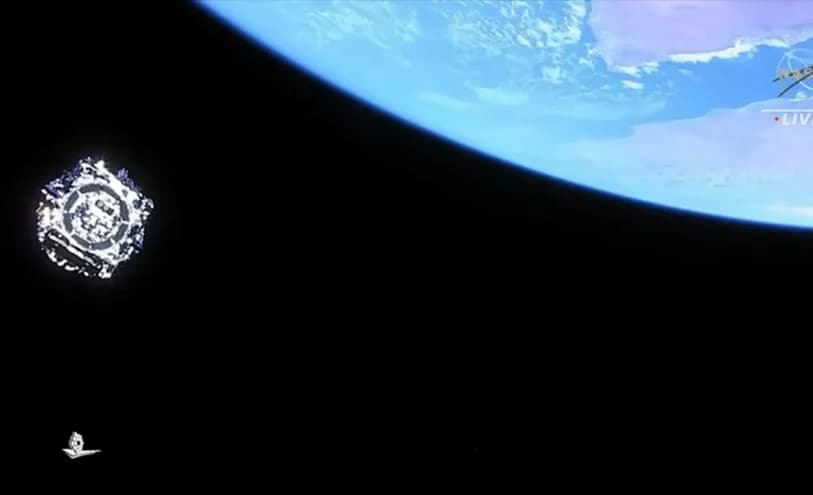
Scientists have discovered a new type of celestial body called a "Black Hole Star." This object dates back approximately 660 million years from the beginning of the universe, during its very early stages. It is characterized by resembling a star the size of our solar system but producing energy exceeding one hundred billion times that of any normal star. Its energy output surpasses that of a black hole. Researchers used the James Webb Telescope to observe this object, which was part of a phenomenon dubbed "Small Red Dots." This phenomenon puzzled scientists due to its very early origin in the universe's history. The study's findings indicate that the energy source of this object is a central black hole surrounded by a gas envelope, making it appear as if it is a star—an uncommon phenomenon that offers new insights into the formation of early cosmic bodies. Additionally, the object's color results from the interaction of hydrogen gas with light, rather than dust, aiding in the determination of its nature. These discoveries represent an important step forward in understanding the formation stages of the universe and the objects that formed during its earliest periods.
Notice: This Is an AI-Generated Summary






Comments (0)