22 Hrs
Source:
الوكيل الإخباري
الوكيل الإخباري
Ready to play
Ready to play
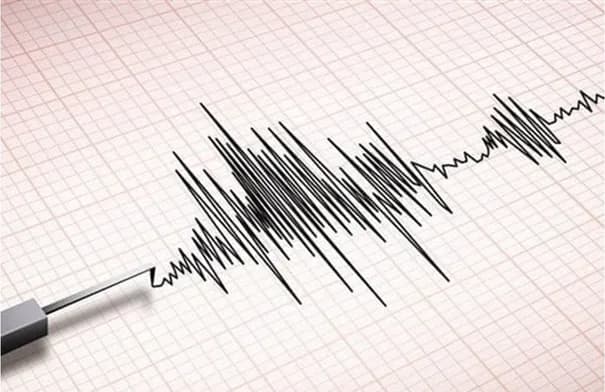
The Jordan Seismic Observatory has confirmed that seismic activity in Jordan and around the world remains stable and steady. Since the beginning of 2026 up to August 16, a total of 324 minor to moderate natural earthquakes have been recorded, representing an 11.3% decrease compared to the same period in 2025. The activity is mainly concentrated along the rift valley and the Dead Sea Fault, with no abnormal changes observed in the region. It was clarified that advances in earthquake monitoring technology have played a role in documenting small and imperceptible tremors. Recent earthquakes in Venezuela, Colombia, and Indonesia are attributed to natural tectonic movements characterized by high activity, which leads to the accumulation of seismic energy released destructively. Additionally, it was emphasized that the simultaneous occurrence of earthquakes in different areas is a natural phenomenon related to tectonic movements. Earthquake assessments indicate the necessity for comprehensive preparedness to mitigate their impacts, with a recognized connection between major quakes and the triggering of other tremors through the continuity of seismic belts. On another note, it is explained that the annual rate of earthquakes remains constant and within normal ranges. Since the start of 2026, distant earthquakes have been recorded in regions across the Indian Ocean, Pacific, and Atlantic. The strongest was in the Philippines, estimated at 7.8 magnitude on June 7, while the most powerful earthquake in 2025 was in Kamchatka, Russia, with a magnitude of 8.7 on July 29.
Notice: This Is an AI-Generated Summary









Comments (0)