23 Hrs
Source:
عربي21
عربي21
Ready to play
Ready to play
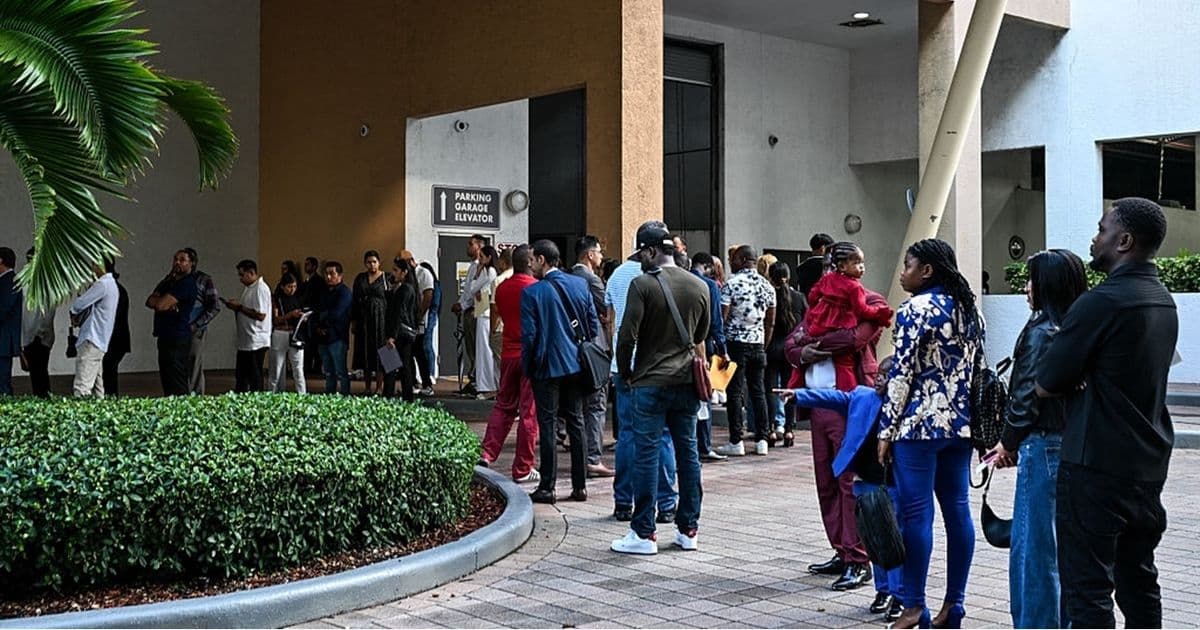
The article addresses the crisis of prolonged waiting times faced by immigration applicants to the United States, where waiting periods vary significantly depending on the type of visa and country of origin. India emerges as a prominent example of a massive backlog in the employment-based category, particularly in the EB-2 category, where the wait is estimated to reach around 175 years due to annual caps and country-specific quotas imposed on high-demand nations. Conversely, applicants from Arab countries often experience lengthy delays in family-based immigration pathways, especially in the F4 category, with some queues now surpassing a decade. These variances depend on the specific familial relationship and country of origin. This situation reflects the U.S. visa quota system, which restricts the number of visas allocated to each country, leading to a backlog of applications and a significant gap between demand and the available visas. The article also highlights that Arab applicants face wait times closer to a decade or more, with fluctuations based on the type of visa. This underscores how the quota system substantially reduces the chances of rapid immigration, especially when compared to countries with high demand like India and China.
Notice: This Is an AI-Generated Summary






Comments (0)