





Hormuz crisis impacts Gulf oil exports
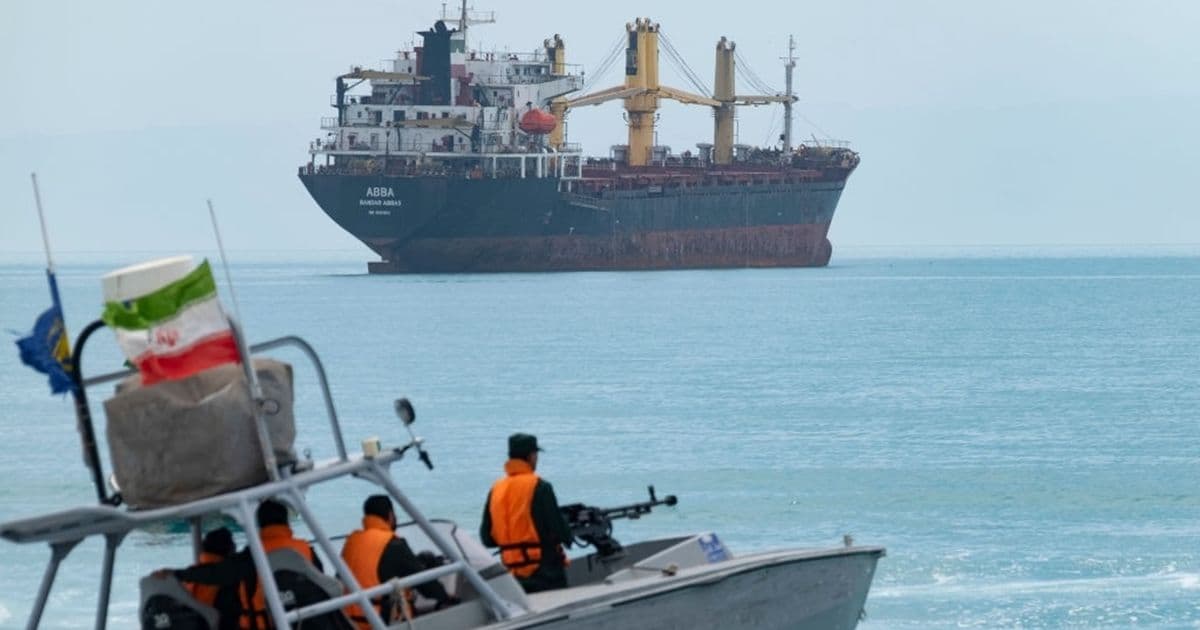
The article discusses the escalating crisis surrounding the Iran-Hormuz Strait blockade and its impact on Gulf oil exports. Security challenges and strikes on supply routes have become serious threats to the region's export infrastructure. It highlights that Saudi Arabia relies heavily on the East-West pipeline for oil transit, which has recently been targeted, raising concerns about its ability to maintain exports if the threat persists. The UAE has alternative routes via the Fujairah pipeline, with a capacity of around 1.8 million barrels per day, but attacks on facilities threaten these solutions as well. Kuwait depends on temporary methods to export oil outside the strait, while Qatar faces a more significant problem due to its heavy reliance on exporting liquefied natural gas through Hormuz, with recent sharp declines in gas exports. Iraq has plans to boost its export capacity through Turkey, but its infrastructure remains unprepared. Iran, despite having coastlines and pipelines, currently lacks effective export routes due to sanctions and restrictions. Overall, the article shows that the Gulf's oil export system faces limited options and increasingly relies on temporary solutions, amid rising risks threatening the security and sustainability of oil supplies. This raises questions about the region’s resilience should conflicts intensify and intertwine across all major maritime routes.
Notice: This Is an AI-Generated Summary
Comments (0)